Category Archives: Early Development

Fight Like A Girl

“Bless the beasts and singing birds and  guard with tenderness small things that have no words.”  Anonymous

*

As a baby girl grows, she not only listens to her inner voice to determine who she is, but to all the voices with which her culture speaks to her. It is critical that those who love her help her to believe that she is strong, smart, and valued for her unique and singular identity.

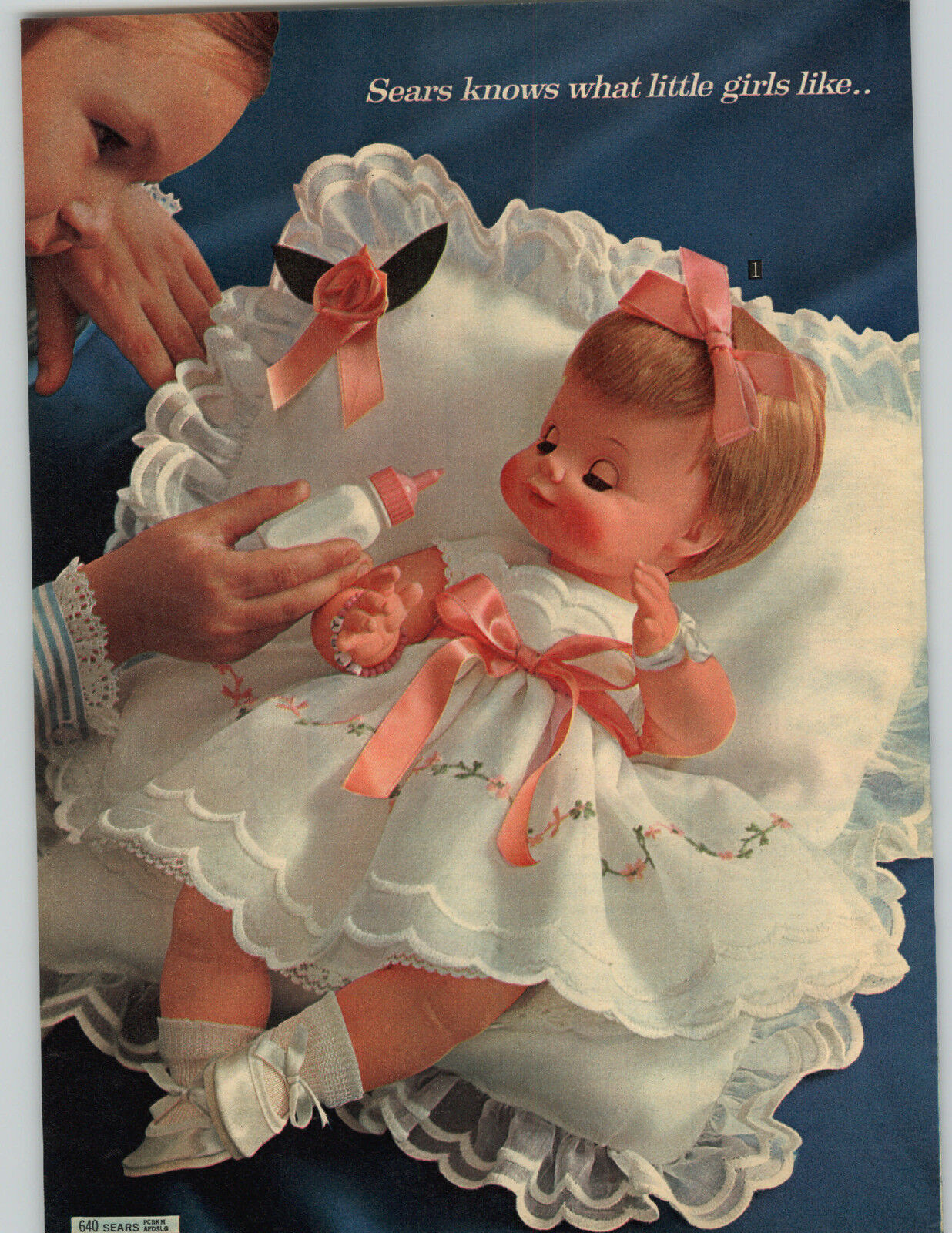
I recently stumbled on the Pee Wee Pumps website which sells infant safe high heels sized 0-6 months. Baby stiletto choices include Diva (black satin high heel crib shoes) , Sassy, Swanky, Glamorous, and Wild Child (leopard print).

I cannot imagine, when so many women around the world are fighting and dying for their rights, the right to control their own bodies, the right to be educated, the right to be treated with the same respect as the men in their society, and the right not to live in subordinate fear, why anyone would think it was cute to dress a baby girl up in faux high heels. Putting an infant in these ridiculous shoes is objectification at its lowest form, because it is perpetuated on an innocent before she has any cognitive association to the meaning, uses, and symbolism of the product.

A parent’s eyes are the child’s first mirror. When parents encourage their little girls to conform to stereotypes they help create at deep emotional and intellectual levels feelings that lower self-expectations and self-esteem. In The Second Sex, Simone de Beauvoir postulates that “sooner or later women will arrive at complete economic and social equality, which will bring about an inner metamorphosis.” It is respect for this fragile inner metamorphosis that is necessary in order to achieve independent, self-assured, and confident young girls.

No discussion about creating this kind of societal psychological shift is complete without mention of the stereotyping of boys. One does not exist without the other. It is just as harmful to tell a little boy that he is allowed to get angry and fight back, but it is not “manly” to cry, as it is to condone a little girl’s tears while telling her that girls don’t fight.

From Disney to Darkest Dungeons traditional gender stereotypes are constantly perpetuated in the media and in the marketing of “girl” and” boy” products.

Males are: Competitive, assertive, athletic, competent, strong, tough, aggressive, dominant, and stoic.

Females are: Emotional, romantic, sensitive, frail, passive, tentative, submissive, naïve, and seductive.

These roles, seen over and over as the child grows, normalize character traits based on gender and project unrealistic goals, from female body image to macho posturing. When someone speaks for us, we lose our voice. Boys are in danger of becoming emotionally isolated and girls lost in the never satiated need for approval.

How does a parent fight this cultural vortex and its strong emotional, social, and economic current? Believing in gender equality is all very well and good but we need to act on our beliefs in a conscious way. The most important way we teach our children is through modeling behaviors. Reject stereotypes as they arise and talk about it with your children. You will be surprised at how aware they are. Even two and three year olds will tell you that fuchsia is a girl color. Don’t just accept that. You don’t have to force your little boy to buy a fuchsia backpack, but you can ask your child why he thinks fuchsia is only for girls and point out all the amazing fuchsia colors in nature explaining that a color is just a color. Gently plant the seed and trust in your child’s innocent clarity. It is we that muddy this clarity with our pinks and blues.

Stereotyping is a kind of prejudice that leads to sexism in our personal and public lives. We are male and female, of course, and that is a wondrous thing. But, first, we are human beings born with a keen desire for pride and dignity and an innate need to dream and explore without limits.
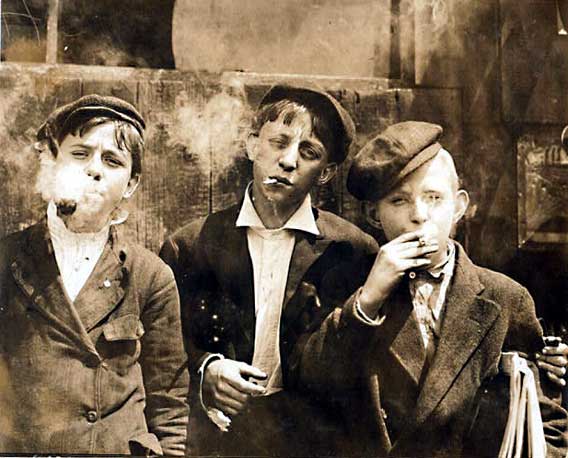
©Lewis Hines

The Adaptation of Children’s Literature

©donnaesgro

“Words are a net to catch beauty.”

Tennessee Williams

*

Publishers who abridge, adapt, and condense children’s literature use the classics as a commodity. Although the expressed intention is to introduce these writings to a younger audience, this is not a enterprise done with love of prose in mind. These summarized novels are more like CliffNotes in terms of their inability to bring depth and understanding of the original works to children.

I was working with a fifth grader this holiday season and suggested that she read Charles Dickens’ A Christmas Carol. She pulled a paperback down from her shelf and told me, listlessly, that she had already read it.  I glanced at the book and saw that it was an abridged version.

A Christmas Carol is a novella, short in length, but opulent in sensual imagery and fervid emotions. Books, unlike films, do not need to fit into certain time frames which necessitate condensing. The only reason, then, to abridge the work is to “dumb it down” so that the young reader has less work to do to get through what often is fancifully arcane and luxurious language.

But, isn’t that one of the gifts of reading the classics? To allow words to transport us, to give us the sights, sounds, smells, textures, and tastes of exotic places and to teach us, through this process, that human needs, fears, passions, cruelties, jealousies, hypocrisies, insecurities, and reckless braveries have always and will always be a part of the elegant tapestry that makes us human.

By reading only the adapted version of A Christmas Carol, my young friend missed such stunning passages as:

“You are fettered,” said Scrooge, trembling, “Tell me why?”

“I wear the chain I forged in life,” replied the Ghost. “I made it link by link, and yard by yard; I girded it on of my own free will, and of my own free will I wore it.”

Instead reading:

“You are tied in chains, tell me why.” “I am a prisoner of the chain I made for myself during my life. I chose to wear it.”

I don’t blame any child for not being impressed with such insipid language. I suppose ”fettered” and “forged” are considered to be too archaic? The lyrical rhythm of the language, the repetitions that bring the readers’ attention to the importance of the ghost’s statement, have disappeared in the effort to be economical and simplistic with words.

Our children are more capable than they are often given credit for. A fifth grader should be able to read Charles Dickens without it being predigested for her.

Begin the process of introducing the sometimes odd, yet lovely language in classic children’s literature to your child when he is too young to read the originals himself. Resist the colorful Disney paperbacks of Winnie the Pooh or the Fairy Tales and instead read A.A. Milne and Hans Christian Andersen. Trust that your child will listen, and in this listening, not only become enchanted, but begin to build an understanding of the unique experience that reading can be.

A Christmas Carol was written almost 200 years ago, yet the story, because it is based on essential truths, is immortal. Don’t be a part of the wrong thinking that believes that the rewriting of the classics for easy consumption is a gentle introduction.

These works are a precious legacy from a passionate group of writers. Each carefully chosen word should be valued and respected.

Gustave Flaubert (1821-1880) said about his writing,

“I tried to discover, in the rumor of forests and waves, words that other men could not hear, and I pricked up my ears to listen to the revelation of their harmony.”

And Tennessee Williams (1911-1983) stated:

“Words are a net to catch beauty.”

Every word in a classic book, whether it be War and Peace or  The Little Prince, is vital. You might as well take the “excess notes” out of Mozart, Bach, or Vivaldi to make the melodies easier to follow.

We live in an age of sound bites and texts. It is healthy to balance this diet with something that demands an exacting focus. Better to read less dense classics such as as Charlotte’s Web or Charlie and The Chocolate Factory unabridged than to give your child an abridged version of Treasure Island, Peter Pan, or The Secret Garden.

Reading more difficult text builds both critical thinking (which stems from analyzing, predicting, and imagining) and self esteem (which builds as the child succeeds at tasks that at first seems arduous). When your child feels an eagerness to get back to the characters in a book and a vague sadness when the story has ended, that’s when you know that the bridge between learning to read and becoming a reader has been crossed.

If your child begins to read a classic and then discards it as being too hard, please help her manage, as you once held the back of her bicycle when she went from training wheels to two wheels. Read aloud to her. You may only need to read the first few chapters before she is pedaling on her own.

In the chaos that our modern life so often is, there is nothing more meditative than learning to turn to a book to remind you that although turmoil has always existed, so has abundant spiritual generosity and unbounded love.

***

Learning to Listen

IMG_8190

copyright©donnaesgro

*

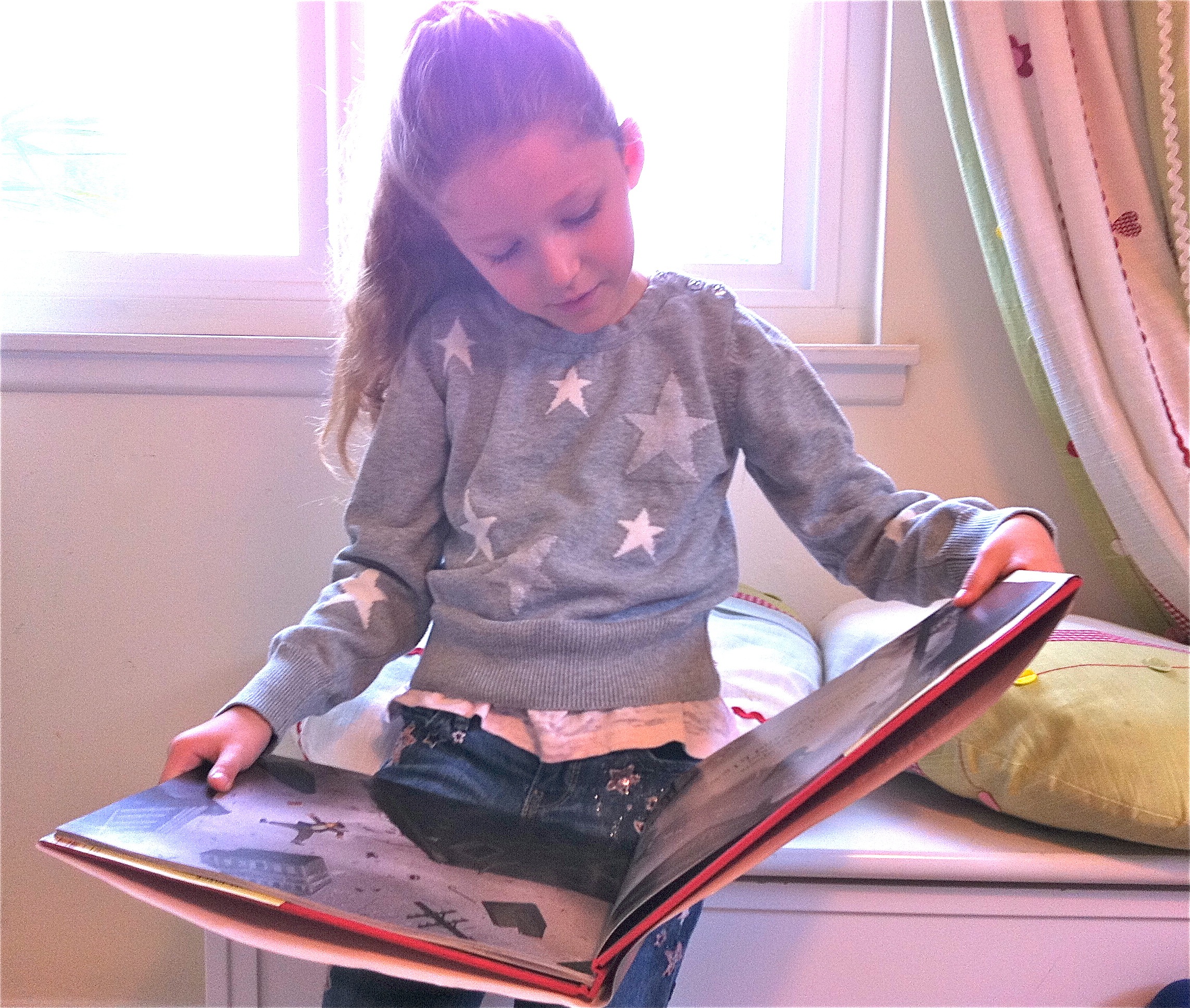
A child must learn to listen before he can listen to learn. Experts agree that the conditions which most affect  literacy take place in the home, long before a child enters school. Children listen, understand, and speak before they read, write, and spell. Without the former, the latter is impossible. It follows that the more developed a very young child’s language skills, the easier time he will have learning the academics of literacy. Reading to your child from the very beginning will help develop listening skills that are invaluable later in life. At first your active baby won’t have the attention span to allow you to read all the words of a book to her, but just sitting together enjoying books, talking about the illustrations, is enough to start. As time goes by, a young child who has access to a bookshelf will soon be seeking out books and sitting quietly pretending to read. This activity is not, simply, adorable. For a child, the act of pretending is a major step in learning a new skill.

In order to help a child learn to listen, keep the home environment as free of unnecessary distraction as possible. Turn off the background noise. This simple act will help to create a more peaceful atmosphere conducive to contemplation…and to reading. Music is not usually a distraction, but the news and commercials that accompany radio and television certainly are. Children are sensitive and their hearing is acute, try to shield them from the constant advertising and, more importantly, the disturbing violent events that are, sadly, so often in the news.

Another aspect in teaching children to learn to listen is to listen to them! The respect that you show when you pay careful attention to a child’s stories and questions teaches him the importance of listening. Ask interactive, open-ended questions that offer the child not only an opportunity to express himself but to develop cognitive skills. Avoid “baby talk” or talking down to a child. Children love “big” words; adults often underestimate their insatiable curiosity and innate ability to learn them. Books add a multitude of new words not used in daily life that enrich and enlarge your child’s vocabulary exponentially. The art of thoughtful listening is fast becoming obsolete. Help your child become attentive in a culture rife with sound bite  and the abbreviated language of texting. It is only in listening closely that we truly learn.

*

“The word ‘listen’ contains the same letters as the word ‘silent’.”  -Alfred Brendel, composer

The Power of Poetry

IMG_8030

copyright©donnaesgro

*

Poetry is often looked upon as irrelevant, a part of another era, when people had more leisure time, less distractions; when conversation was an art, and life wasn’t so frenetic. Yet, it is well documented by linguists that children who have early exposure to poetic verse and the phonemic and syllabic sensitivity it brings, have an easier time recognizing individual sounds and learning to read.

Poetry is the heartbeat of literature. Begin a rhyme in a room full of children and watch what happens…a sudden attentive stillness. Even babies, who can’t yet understand the meaning of the words, are entranced by the patterns, repetitions, and rhythms:

I am Sam

Sam I am

That Sam-I-am That Sam-I-am!

I do not like that Sam-I-am

Do you like 
green eggs and ham?

I do not like them, Sam-I-am.

I do not like 
green eggs and ham.

Dr. Seuss – Green Eggs and Ham

Rhyme draws attention to the ending sounds of individual words – alliteration to the beginning. The musical language of poetry rings and reverberates, creating in the child a fundamental joy in literature.

But should the reading of poetry end with nursery rhymes? The emotions that poetry evokes are universal. As children grow older, the reading and writing of poetry can help them to cope with vulnerable truths that are too fragile to share in other ways…love, pain, death, transcendence…feelings not likely to be discussed on social media.

Reading aloud one’s own poetry creates a forum for individual expression that inspires confidence and pride. To communicate profound feelings and see that others share them is a transporting experience. In a school system that stresses the head – test taking, memorization, grades, and competition – poetry celebrates the heart. In this increasingly homogenized culture, poetry’s power lies in its originality-whether wild with rage as in Allen Ginsberg’s Howl, or soft with the tenderness of e.e.cummings’ somewhere i have never travelled, gladly beyond, poetry connects us intimately and immediately to our deepest feelings.

The language of poetry encourages inventiveness with words. Hope is “the thing with feathers” (Emily Dickenson). Eyes are “the window to the soul”(Shakespeare). Poetry conjures images that broaden and enlighten the mind. Metaphor and simile invite the reader to look at life in different ways, using unexpected correlations that inspire creative thinking:

The fog comes

on little cat feet

It sits looking

over harbor and city

on silent haunches

and then moves on

Carl Sandburg – Fog

From the rocking rhythm of early lullabies to the healing strength of dirges, the simple truths of poetry cross all cultures, all boundaries. Introduce poetry early to share the wonder of words with your child, but don’t lose track of how poetry’s elegant, eloquent elucidation can inspire us throughout our life

Literacy – How it Begins

IMG_6165

copyright©donnaesgro

*

“The invariable mark of wisdom is to see the miraculous in the common.”

― Ralph Waldo Emerson

Oral language is the foundation of literacy. Within a few short months an infant’s cries become babbles, then, suddenly, talking! Soon, the young child understands the meaning of thousands of words. The acquisition of language happens at a remarkable speed. Every time a child learns something new, it becomes a part of his knowledge base. Since words are simply articulations of concepts and feelings, it is evident that a child’s vocabulary should be measured not by how many words he knows, but by what he knows about each word.

The more ideas that the child is exposed to, the deeper her understanding of certain terms: A child whose favorite book is Goodnight Moon understands the conception of the moon in a more visceral way once she has seen a bright full moonrise, or watched the moon disappear behind a cloud lined with silver. Thereafter, whenever the book is read to her, these images flood her mind allowing a richer appreciation of both the word moon and the familiar bedtime story.

One of the most giving words in the English language is the word, “Look!” When you invite a child to look, you give him the gift of your time, attention, and awareness. You joyfully invite him to join in a shared experience and with this simple word illustrate how communication bonds us. “Look! A dragonfly!” Fills the child’s mind with dragons, butterflies, fairies… “Can it breathe fire?” I have been asked. These opportunities to enlarge your child’s perspective happen daily, and books are a wonderful way to extend this rapid accumulation of knowledge. While the opportunity to see a rainbow doesn’t happen everyday, books, both fiction and non-fiction, can share the beautiful imagery of a rainbow with your child, reinforcing such basics as color recognition, but more importantly, encouraging him to see the wonder and glory of the natural world…and to look for rainbows everywhere.

Children are born scientists – curious and eager to explore. Knowledge is not a mere collection of facts, it is alive, pulsing-a process of discovery. Books provide an access to worlds that we cannot, otherwise, enter. From the bioluminescent depths of the sea to the mystical outer edges of the known universe, books satisfy the need and the love for communication that begins with the infant’s first cries.

Why Doing Absolutely Nothing is Important

IMG_1634

copyright©donnaesgro

*

“Not all those who wander are lost.”  J.R.R. Tolkien

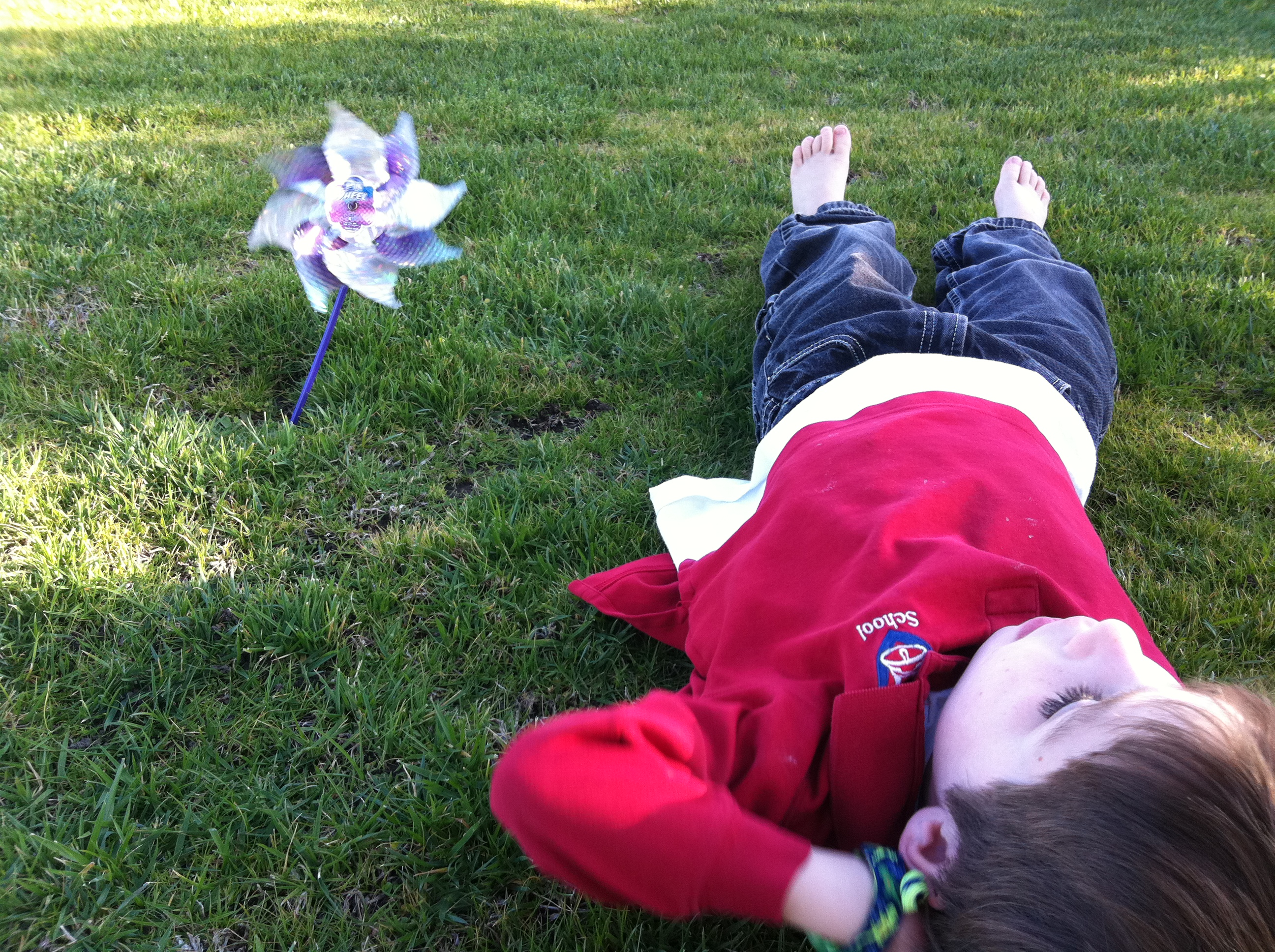
The modern world is a hectic one. Between school, sports, dance, music lessons, karate class, and other extra-curricular activities that fill our children’s days, there is precious little time for them to be alone with their thoughts. To be alone with one’s thoughts is to let the mind wander…to imagine. When the brain is free of distractions thoughts become reflective, and unexpected connections are made that expand consciousness.

Daydreaming enables us to revisit our memories. Allowing time to process these intricate emotions leads to deeper understanding of ourselves and others. When children are given the time to ponder they begin to take leaps from what they know to what they don’t know. Often, these original ideas are sweet, innocent, or funny…but they are, unmistakably, inventive, and show the developing mind at work.

When a child daydreams, no one can intrude on his fanciful imaginings. He is free to explore, to make unique, whimsical associations that are the seeds of creative thinking. We live in a culture that values productivity, but, ironically, frowns upon the very dreamers who are the gateways to inspiration and invention. Einstein said, “The intuitive mind is a sacred gift; the rational mind is a faithful servant. We have a society that honors the servant and has forgotten the gift.”

It is not only composers or poets who benefit from daydreaming, but scientists, mathematicians, and engineers as well. MRI research has revealed that, during a daydream, areas in the brain associated with complex problem solving are activated. Scientists now believe that daydreaming is as important as the dreaming we do at night – a time when the brain works hard to coalesce and consolidate learning. Neuroscientist and human development psychologist, Mary Helen Immordino-Yang, in an article in the journal Perspectives on Psychological Science, states that daydreaming is vital to learning, ultimately strengthening cognitive abilities such as reading comprehension:

Daydreams can reveal truths that are not visible in the too bright light of everyday activities. Like a candle, or a star, they can help to lead us in the right direction. Let daydreams inspire your children. In a world that shouts for their attention, encourage and respect these quiet, thoughtful moments. Let’s teach our children to value the beauty of silence and their own fantastical inner worlds.

Is an E-Book as Good for Your Child as a Traditional Book?

Mother and Child Reading Frederick Warren Freer 1849-1908
Mother and Child Reading
Frederick Warren Freer
1849-1908

*

There are many delightful depictions of stories available electronically.But are they as worthwhile to your child as reading a traditional book? Childhood Development experts have not yet determined the answer to this question due to the fact that e-books have not been around long enough to collect the data necessary to come to a decision. The topic is of high interest to educators worldwide, and numerous studies have been conducted.

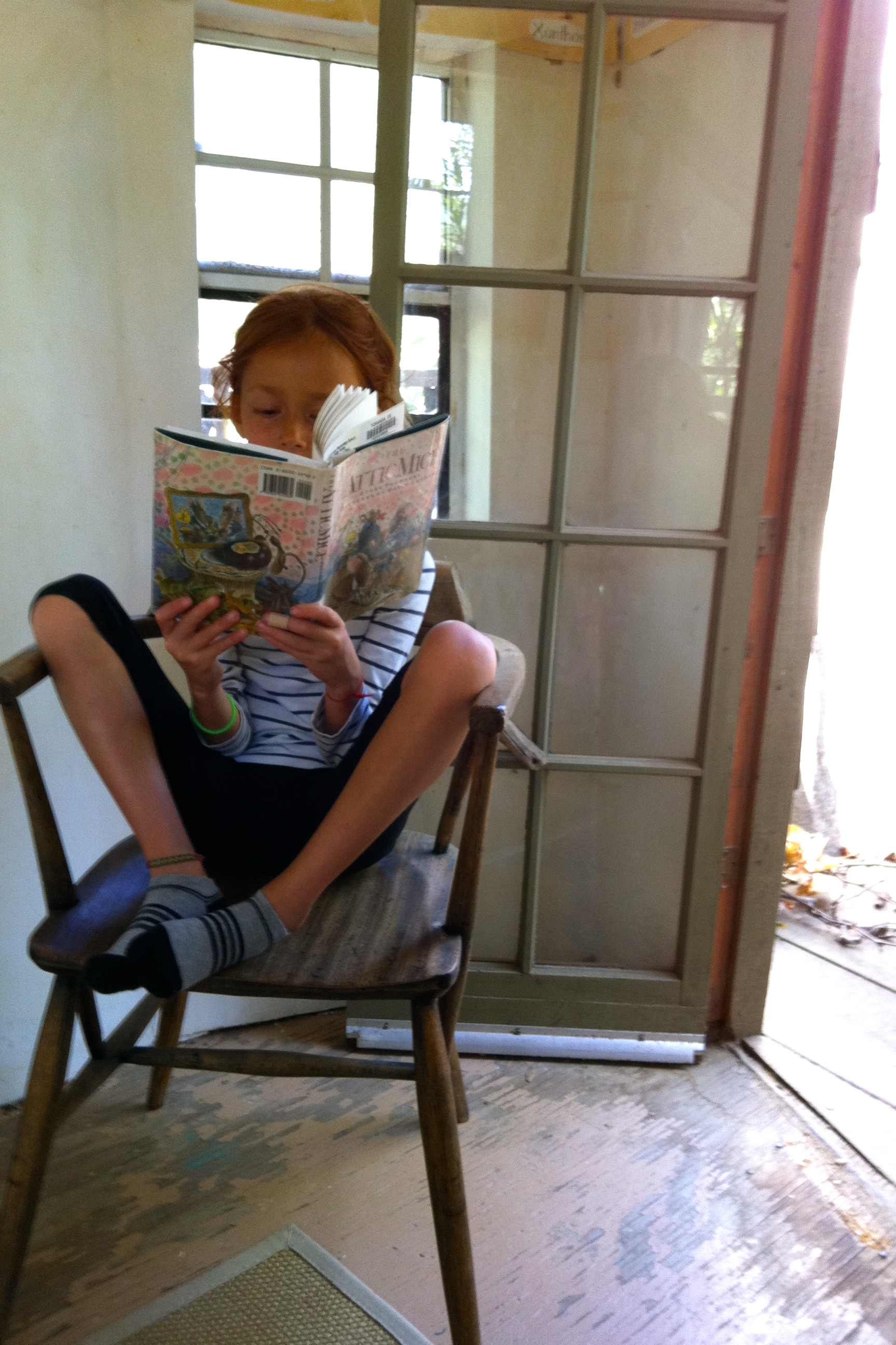
At best, reading to a child is not a static activity. Children feel warm, secure, and loved sitting next to a parent or grandparent with a book. They receive a not so subliminal message that books are valuable, and that so are they. This feeling can last a lifetime, conjuring pleasant and joyful memories associated with books.

Even very young children learn quickly how a book works; front to back, page to page, top to bottom. They see as they follow the story, that those strange shapes called letters have something to do with spoken words. More importantly, they are not distracted by the bells and whistles designed to enhance the e-book experience, they are free to comment, to ask questions, to ponder new ideas and make connections. The adult reader can extend these connections and make them personal. “Remember when we went to the zoo like Curious George?” “Was the lion scary?” “How many monkeys are in the tree?” “What colors are the flowers?” There are countless ways to extend even the simplest of books.

Only the parent knows the child’s most passionate interests. If your child is fascinated by anything from the solar system to insects, you can use this knowledge to make the book that you are reading a more interesting and individual experience….an illustration of a butterfly can lead to a conversation about metamorphosis, and, more importantly, it can lead you outside…to look for butterflies, to talk about what butterflies like…”Do they like snow or sunshine?” “Do they like gardens or city streets?” “Do you think that they would like to be caught and put in a box?” “Why?” Fiction leads naturally to non-fiction. There are a multitude of beautifully photographed scientific books for children. I like the ACORN series, published by Capstone Global Library, because it works equally well for toddlers as early readers.

E-books have their place, but use them sparingly. I see so many children sitting in shopping carts or at restaurants with their brightly colored devices. Perhaps these children are mostly watching high quality applications. But, they are missing their community – the myriad opportunities for language that present themselves outside of the home, starting with, simply, conversation.

Reading is not only about being entertained. A child can learn much about nutrition from seeing you read the ingredients of a cereal box. He can learn about choices, and how you used reading to make them. Most importantly, your child is present in the real world rather than a virtual one, absorbing, as children so readily do, the connections between the words they see everywhere, from street signs to menus, and how they are used to communicate important information.

*

“I immediately felt a sense of nostalgia that I haven’t felt in a long time. The scent of physical books—the paper, the ink, the glue—can conjure up memories of a summer day spent reading on a beach, a fall afternoon in a coffee shop, or an overstuffed chair by a fireplace as rain patters on a windowsill.”

New York Times Tech Blogger – Nick Bilton-on wandering into a West Village bookstore.

Read for Health

IMG_2515

copyright©donnaesgro

*

While no good parent would feed a child nothing but junk food, unfortunately, many parents do not pay attention to what their child is ingesting through the seemingly always accessible electronic media. We all know that entertainment has become increasingly violent. It is not as often addressed that it has become alarmingly superficial and mean spirited. If a child is being fed these messages for many hours a day it becomes a daunting task to undo the damage. The average American child uses some kind of electronic device for 7 hours a day while the American Academy of Pediatrics recommends no more than one hour per day for 3 to 5 year olds, two hours for 6 to 18 year olds, and none at all for children under the age of two.

Studies show that immoderate use of television and video games lead to attention deficits, anxiety, and difficulty with concentration. It is very important that parents monitor the time and the quality of all electronics their child is engaged in. Take the time to determine if your child, through this media, is being encouraged to develop the kind of character traits that you hope she will begin to emulate.

Books offer a respite against the frenetic world of electronic entertainment. They introduce characters that are more than just vehicles designed for bouts of combat. Books slow your child down and increase his attention span. They nurture imagination and creativity and, unlike passive screen time, make demands on your child to think deeply. They are an important part of a healthy diet for your child’s mind.

How Fiction Helps a Child to Develop Empathy

blogimage_joy_elephants

copyright©donnaesgro

*

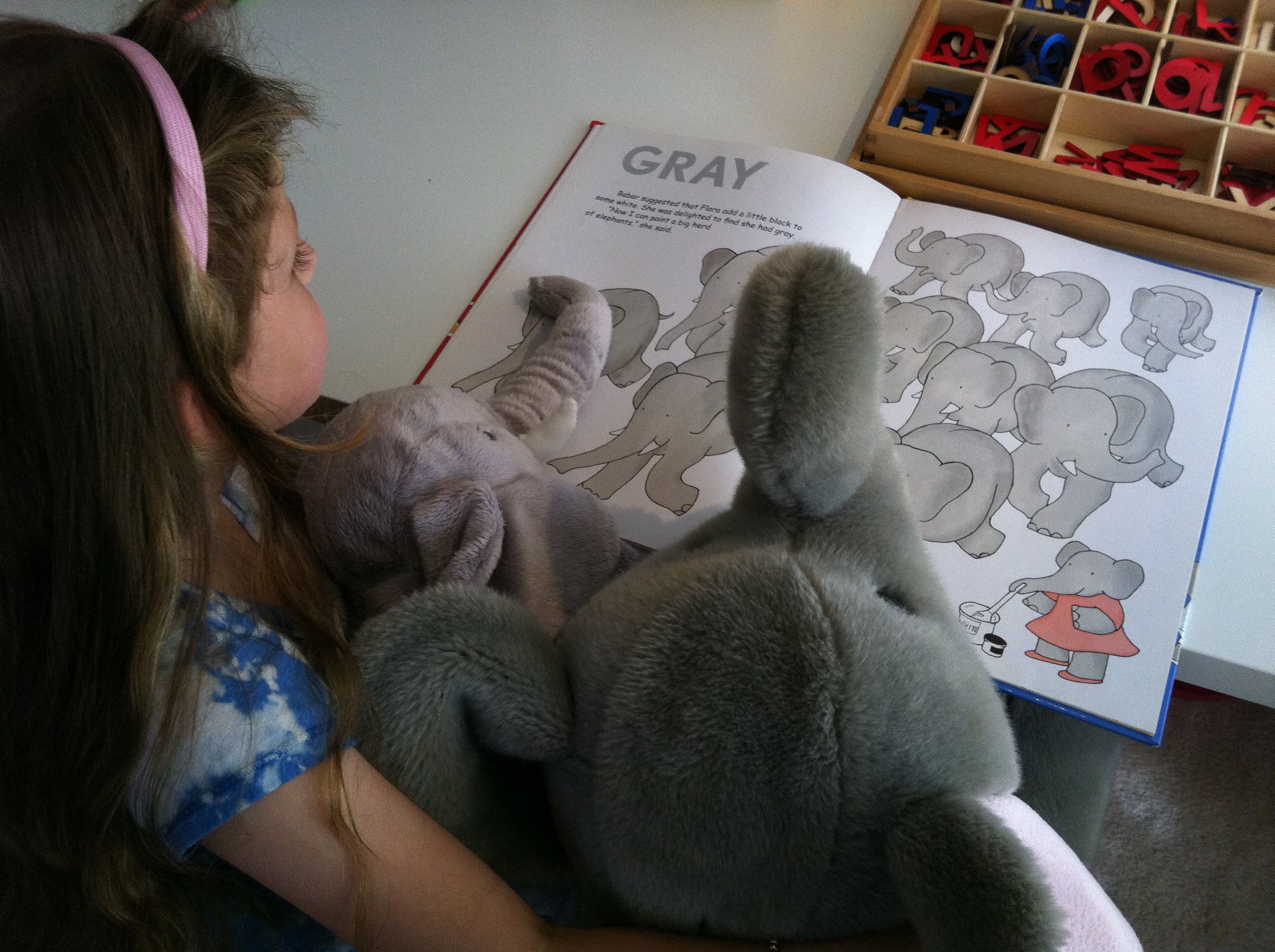
Anyone who has read to a child has noticed the range of emotions that cross the child’s face as he listens raptly to a story. Worldwide, scientific researchers in the field of neuroscience have uncovered irrefutable proof that those who read fiction regularly develop a deeper understanding of others, which leads to the ability to see situations from different points of view – the quality of empathy.

Of particular interest is a study by Dr. Raymond Mar, a psychologist at York University, using preschool children. He and his colleagues discovered a direct corollary between how much a child is read to and the child’s Theory of Mind. Theory of Mind (ToM) is the ability of an individual to understand his or her own mental states, and to realize that others also have minds with perhaps different beliefs and desires. It is believed that ToM is an innate quality in human beings that generally takes many years of social interaction to develop. Having a keen sense of ToM is an abstract quality, and while children learn more readily with their senses, understand the concrete, and live in the present, reading about other’s thoughts and feelings helps a child to take the leap from the actual to the abstract.

We laugh at characters who are silly, but we also feel concern for characters who are sad, lonely, afraid, or hurt. A child, while reading, “practices” these feelings, acquiring an early knowledge of compassion. In a book such as The Rainbow Fish, children are exposed to the idea of sharing versus not sharing. How does it make you feel when you share? When someone shares with you? When someone doesn’t share with you? Books can evoke powerful emotions that children can safely and securely contend with, creating a sensitivity to emotional nuance often missed in the heat of the argument over whose turn it is.

Stories help a child to learn that sad feelings can be soothed, that happy feelings can be shared, and that these feelings are universal. We all celebrate, over and over again as we reread, that Harold, wielding only a purple crayon, will figure out all by himself how to get home safely, that the little blue engine will make it up and over the hill, and that wicked witches can be defeated by little girls in sparkly shoes.

Words Connect Us

copyright©donnaesgro

*

The phrase “Use your words” in relation to encouraging children to express themselves has been around long enough to have become an iconic idiom. Normally it is used in conjunction with reminding a child that hitting, biting, throwing one’s self on the floor, etc….are not effective ways to communicate. But have you ever thought about saying to a child who is behaving properly,“Use your words”?

This blog is about the importance of establishing a love of literature early in life and the connection that reading has to the developing mind. Curiosity, creative thinking, imagination, attention span, and even social skills are all heightened through early exposure to books. Words connect us. Conversations, whether with a 3 year old or an 80 year old, inspire us and help us to see from different perspectives.

After all, what are books if not voices on the page…voices communicating stories to anyone who cares to listen. The author’s voice may tell stories of fairies, baby animals, princesses, dragon fighting, how to make a kite, or what lives under the sea…whether fiction or non-fiction, a book explores new thoughts that expand the heart as well as the mind.

All day long children are bombarded with peer pressure, expectations to perform, to obey, to excel, to be quiet when they feel like talking, to talk when they feel like being quiet. They are enticed with glossy packaging and advertisements designed to convince them that happiness lies in material possessions. Reading is free of all that. A book takes a child to a simpler, less intrusive  world. It sets their mind to dreaming and makes them smart.

What a beautiful gift to give a child, and it is as simple as using your words.