Category Archives: Literacy

Teach Dialogue, Not Debate

Most high schools have a debate team. I’m not against competition in sports, there’d be no game if no one won and no one lost. But, I believe that the object of a debate team has been modeled on the objective of competitive sport. That is, to present your side forcefully enough, without nuance, to overcome your opponent.  Debate, then, is about being right. It is about being staunch and unable to be swayed in your fixed opinion. It is about being the winner.

Dialogue is listening thoughtfully, with an open mind. Open enough to hear another’s ideas. Open enough to possibly even rethink your opinion. Debate, by its very nature, leads to rift, while dialogue is an attempt to bring people closer together. In dialogue, we listen to understand, not to reply.

In a political debate, one would not expect one’s opponent to say,

“You’ve got a good point there.”

Whether or not you actually think your opponent is wrong, you must make the voting public believe that your opponent is an imbecile.

Debate is a verbal sparring, dialogue a verbal sharing. In classrooms all over the country, students in debate classes are asked to either choose, or are given, a side to defend. Their assignment is to quash the other team, whether they throughly believe their argument or not. Good practice for being in a political race, but not much else.

In a world that is ever increasingly polarized, debate polarizes. I want to live in a world of dialogue, in which people share ideas respectfully. I think most people want the same.  I believe that listening is a skill as well as an intention and that it can be taught in school, the earlier the better. 

Debate class teaches the student to shut down ideas from the other side. Let’s teach our children to be interested in exploring differences of opinion and to search for deeper understanding of each other’s points of view. Let’s show them the possibility of being challenged and inspired by new ideas that may contradict their own.

Social media is rife with alienating sound bites, a virtual debate team. What side are YOU on? If you are on the wrong side (aka the other side), you are a fool. There is no holding back what media has increasingly become, but in classrooms what we desperately need to encourage is patient listening, open mindedness, collaboration, and heartfelt communication. For it is only through communication that we build a community. 

If developing an open mind can be taught, so can close mindedness. The smugness of winning a debate is a cold victory. Most issues are complicated, many layered affairs. Let’s learn to hear, instead of to silence. To assent rather than to insist. Even if we disagree, we can strive to respect an opposing opinion. There may be glimmers of light within it that we are not privy to understanding. 

The future holds an abundance of complications for the students of today. To solve them will take global outreach, an ability to learn from one another and to compromise. Words have energy and power. How are we going to use their power? 

Thank you for listening.

***

“The best way to solve problems and to fight against war is through dialogue”

Malala Yousafzai 

Continue reading Teach Dialogue, Not Debate
Testing & Grades Are Obsolete

“One looks back with gratitude to those teachers who touched our human feelings. The curriculum is so much necessary raw material, but warmth is the vital element for the soul of the child.”

– Carl Jung

This morning I saw an ad for an app called Cograder. In the advertisement, a teacher spoke directly to his colleagues, “I teach high school English in Colorado”… He complains about having no time to do anything personal because grading takes so long-until he discovered Cograder, his A.I. assistant. Rather than teachers using artificial intelligence to help them grade, further separating the relationship between teachers and students, I propose a completely different solution: Eliminate tests and grades.

For an educator to suggest doing away with tests and grades is tantamount to blasphemy. But I believe that it is vital at this juncture in time when the uses of artificial intelligence are increasing on every front, to take a very close look at how we teach now and what the expectations are for students to come. 

The current concept of how schools should be was devised during the Industrial Revolution. We are currently in the midst of a Technical Revolution. Just as at the beginning of the Industrial Revolution there was no way to conceive of what the future would bring, in a rapidly evolving technology explosion, it is equally, if not more, impossible to predict our future. However, there are some things that we do know, some things that do fit a current and future world’s needs.  As the modern world becomes more and more divided into us and them, there is a desperate need now for building relationships, social skills, critical thinking, and empathy. 

A.I is here, it will evolve as it will, and let’s hope it’s for the best, but more than ever in an increasingly technical world, teachers’ relationships with students need to be built on compassion and understanding of each and every student as a unique individual.

When I say that our schools would work much better if we did away with testing and grading, I do not mean to suggest that we lower teaching standards, quite the contrary.  What I mean is that we must offer an environment that actively encourages learning, an environment that supports the innate yearning to grow, to lean toward truth and understanding.

Testing, grades, awards for high achievers, etc, are designed to promote competition rather than excellence, orchestrated to encourage children not to make mistakes, to be ashamed of mistakes, and to avoid them at all costs. Yet just about every professional in the field of education agrees that thinking of mistakes as the perimeter of a students’ mastery of a concept, and using that benchmark to create a better path to increased understanding, is the very best way to learn.

An atmosphere of discouraging mistakes creates a class room of children who inhibit their creativity out of fear of being thought foolish. Essentially, students silence themselves. They do not feel free to follow the rabbit trails of connections that lead to true perception. Comprehension of new concepts is a process that involves curiosity, creativity, and an open mind. It takes place in an environment of trust. Mistakes in a classroom should be  seen as opportunities to learn, and children should be encouraged for thinking outside the standardized boundaries.

Testing is too often a stressful experience that leads not to true or lasting understanding, but short term memory, all night cramming, and sometimes, cheating. Cheating (which, ironically, may entail a student using A.I.) may seem a viable alternative to failing if mistakes bring your grade down, which could affect your final GPA, which could affect your admittance to a prestigious university, which could affect your ability to get a decent job, which could affect your entire life…ad nauseam. Even if these strictures once were true, technology is changing our lives so rapidly that they can no longer be true, as we have no idea what the future will require.

Rather than doing things as they have always been done, let’s ask the question: What do we want to achieve through education? Are we succeeding in these goals by training students to test well, at the expense of teaching them to think?

At the risk of sounding utopian, try to imagine a school in which a child is truly respected. Although we cannot know what the future holds, one thing we do know is that our children are the future. Let’s stop expecting them to go into the factory of our current education system and come out a fully formed human ready to follow all the rules. Instead, let’s encourage them to wonder, to explore, to be curious and caring individuals. Let’s teach the whole child, and this means truly seeing the individual student, being sensitive to the nuance of how each student expresses herself. This cannot be accomplished by feeding a child’s responses into a virtual assistant without capability of emotion or nuance.

What is needed now, what is vital,  are teachers who are more human, not less.

When AI tears up at hearing an old song, knows the heart ache of seeing children suffer in senseless wars, stares in wonder at the night sky, falls down on its knees awestruck by the splendor of it all, the magnificence, the marvel, and the miracle of this beautiful blue spinning planet, when this happens, I will consider changing my opinion. 

“When I say it’s you I like, I’m talking about that part of you that knows that life is far more than anything you can ever see or hear or touch. That deep part of you that allows you to stand for those things without which humankind cannot survive. Love that conquers hate, peace that rises triumphant over war, and justice that proves more powerful than greed.” 
-Mr. Rogers

In Support of Writing Your Own Spelling Words

 “If they give you ruled paper, write the other way.” 

Spanish poet Juan Ramon Jimenez 1881-1958

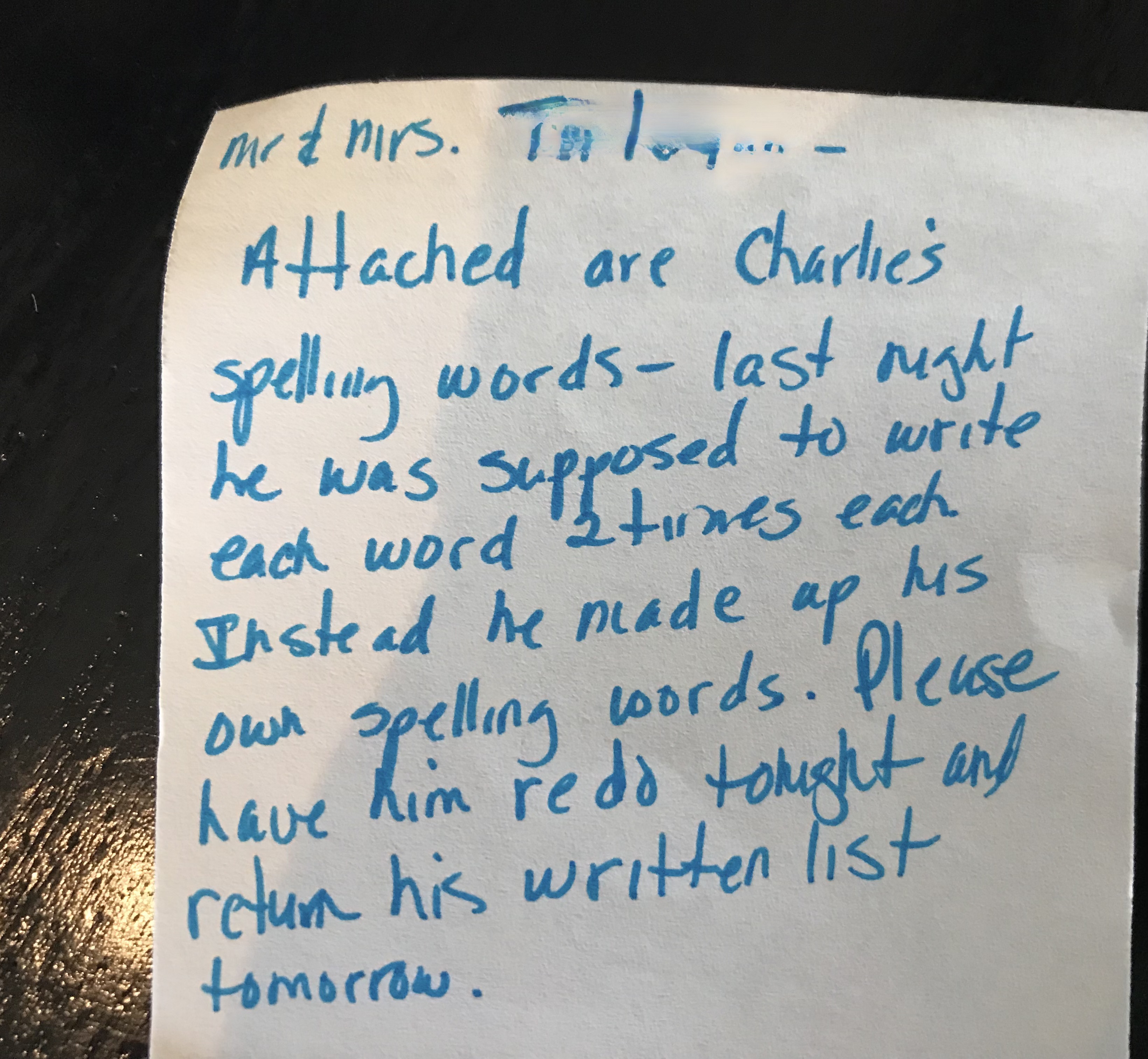
Sadly, our institutions of learning are often more rife with rules than with inspiring knowledge. The photograph below, (a teacher’s note found stuffed into the bottom of a Spiderman backpack along with a collection of old potato chips and small rocks) is an example of one student’s independent inventiveness in handling a homework assignment.

The world needs more Charlies. Those who ask why. Those who try it a different way. Perhaps, in the eyes of authority, it is not a better way, but how can you ever know if you are afraid to try? 

Schools have become brightly colored factories of fear rather than places of trust. Fear of bad grades, of tests, of not being smart enough, good enough, cool enough…not to mention the very real fear that many children suffer of being bullied. It is time to allow all students to grow in whatever rambling ways they will inside the halls of learning. Time to encourage the true seeds of knowledge – wonder, curiosity and the freedom to explore. Schools should not exist to clip wings, but to encourage flight. So, go ahead, make up your own words. And may they be wild and free enough to address an unknowable future.

Raising Children Who Care

©donnaesgro

Caring is an act of compassion. It is not simply an act of graciousness or generosity. It comes from deep inside the heart.

All children know the damage that a bully can inflict and they know the feeling of powerlessness when their friends turn and walk away, pretending not to see. How do we teach our children to turn towards, to see, and to act?

Showing your child how to be a caring, involved citizen, doesn’t mean that you have to lead a march or run for office. It is in the small everyday things that children learn. As parents and teachers we are the first role models. How do we treat others day to day? Do we show respect and concern for all beings? When we listen, share, and help, our children see who we are and imagine who they will be. They also see when we ignore, dismiss, or act selfishly.

Books, and the conversations they inspire, are great ways to instill compassion. When a child wants desperately for Dorothy to get back home and the evil witch to dissolve, the seeds of compassion and yearning for justice have been planted. Books can also take you to other places, teaching that there are many cultures and that each one is unique and special. Include books on the history of your own country, and of the world. These kinds of books will open your child’s mind and heart in ways that go far beyond what is literally on the page. 

The future is in our children’s small hands. And, as unknowable as it may be, one thing is certain, that the next generation will need courage and clarity of vision in a world that promises to be confusing and chaotic. They will need to know how to discern truth from lies and how to raise their voices against injustice of all kinds.

Long long ago a Native American chief was sitting by the fire with his grandson. “Tell me about the battles you have fought!” begged the little boy. His grandfather looked deep into the fire. “The most important battle I have fought is between the two wolves that are within us all.  One wolf is greedy, angry, arrogant, a liar and a hypocrite that thinks he is superior to all other wolves. The other wolf is gentle, full of hope, love, empathy, truth and kindness.” The boy became very quiet. He was listening for the two wolves inside him. “Which wolf is stronger?” he asked. “The one you feed,” replied his grandfather.

There is much in this world that needs heedfulness. The fate of our planet depends on it. Helping to solve these seemingly insurmountable problems will need critical thinking, of course, but equally as important, it will need hearts that truly care.

The Importance of Reading Stories to Your Child During the Pandemic

IMG_2798.JPG

©donnaesgro

*

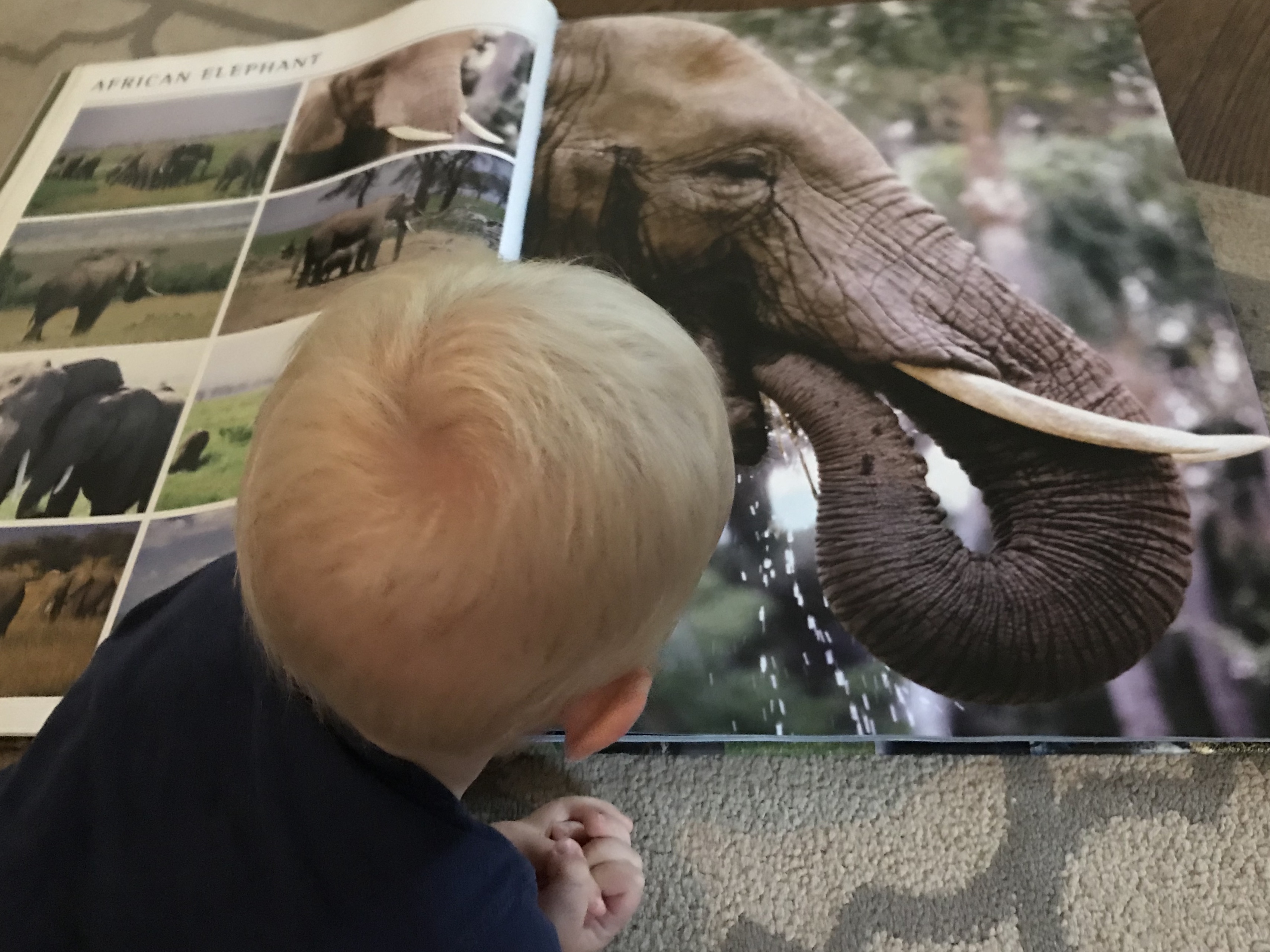
Reading, thoughtful reading, is more important than ever for children during this time of social distancing and on-line learning.

Deep reading is the giving up of oneself to a story, falling into the character’s lives, sharing their hopes, fears, successes, and failures. Whether the characters are wizards, orphans, bullies, hedgehogs, or heroes, we experience their trials as universal.

Early childhood experts and social scientists agree that reading fiction (from picture books to classic novels) helps build Theory of Mind. TOM is the ability to understand the desires, intents, and beliefs of another. To be able to identify with another is a key cognitive skill that begins developing early in life.

Humans, as the current state of distancing has brought into sharp focus, are social beings. Social beings who, for the sake of themselves and others, are living now in a state of modified distancing for the near distant future. But just because we are physically in a bubble, our minds, hearts, and souls do not have to be.

As the brain reads it becomes very active. It literally sparks! Neurobiologists have discovered that the same regions of the brain are stimulated by reading about something as they are by experiencing it.  While reading, hundreds of neural connections are made that include recognition, understanding, awareness, and acceptance of different points of view. New thoughts and feelings arise, as we read, that nurture our ability  not only to make important cognitive connections but to feel empathy.

Reading, because it has the power to shift perspective and encourage one to think outside normal bounds, has the power to change society. In this binary time, when there is an ever growing tendency to believe that one is on one side or another, reading opens minds and develops the art of listening.

As we are well aware, most of the healing needed in our society will not be solved by a new vaccine. By reading often to our children and, as they grow, encouraging them to read, we can, in our own homes, be part of a process of building the necessary compassion for all people that is vital to our future.

image

The Symbiosis of Writer & Illustrator

4f8fd330f31cd7827908566c69a2194b--honey-bear-illustration-children

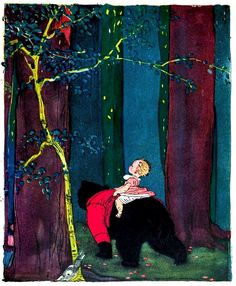
One of the earliest books ever read to me was Honey Bear by Dixie Wilson (1923), illustrated by Maginel Wright Barney. As a very young child I was mesmerized, both with the rhyming story and the exquisite illustrations-the dusky velvet sky, the deep lavender shadows, Honey Bear in his rumpled rose colored jacket…

*

Once upon a summer in the hills by the river

Was a deep green forest where the wild things grew

There were caves as dark as midnight

There were tangled trees and thickets

And a thousand little places where the sky looked through

*

Later, as an adult, I read Algonquin Publishing’s introduction to their series of books for children:

“The makers of Sunny Books believe that books for children should be not only entertaining, but conform to the highest ideals of beauty in book-making, so that the fortunate child who owns them will develop good taste in reading and in art.”

Fortunate, indeed, I was, to fall so completely and sweetly in star dusted love with literature long before I could read.

When choosing first books for your child, be aware of the quality of both writer and illustrator. There is deeper enchantment in the reading of a story when both artists work in harmony with respect and passion for their material.

Unknown copy

The Mad Hatter: “Have I gone mad?”

Alice: “I’m afraid so. You’re entirely bonkers. But I’ll tell you a secret. All the best people are.”

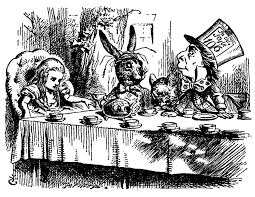
Alice in Wonderland has been illustrated by many artists over the years. But, the original black and white John Tenniel drawings reflect best the oddness and dreaminess of Lewis Carroll’s masterpiece. Carroll was a visual artist as well as a writer and knew the importance of the illustrator’s contribution to the integrity of the story. He could have chosen among dozens of children’s book illustrators adept at depicting whimsical fairylands. Instead he chose the acerbic Tenniel, known for his wicked sense of humor and grotesque political cartooning. The choice is intriguing and telling.

My mother often told me the story about how, when she was a little girl, she would sneak down into her grandfather’s library after everyone was asleep and read. Late at night, in the shadows of the dark room, she was both spellbound by Alice’s adventures and terrified by Tenniel’s drawings. A fact that, I’m sure, both gentlemen would have appreciated.

images-4

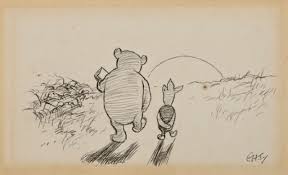
Piglet: “How do you spell ‘love’?”

Pooh: “You don’t spell it…you feel it.”

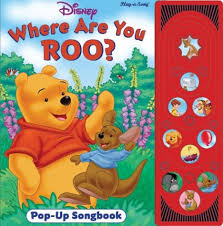
In a similar close relationship, A.A.Milne worked with Ernest H. Shepherd to create the charming Winnie the Pooh books. Together they capture the elusive innocence of a young child’s long golden days at play…the simple drawings a metaphor for the zen like simplicity of the characters. Disney’s much commercialized renditions, with their artificial cuteness that have turned Pooh from a humble sage to a bumbling clown, are loud, garish, and awkward when compared to the delicate and sensitive drawings of the original illustrator.

images-3

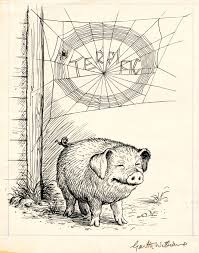
Charlotte’s Web would still be a classic without E.B.White’s collaborator Garth Williams’ illustrations, but has anyone else ever drawn Wilbur, Charlotte, Fern, or the well meaning Mr. & Mrs. Arable with greater humor, compassion, gentleness, and love? This is a difficult book emotionally as its principal theme is suffering and death. Yet Charlotte’s story shimmers with hope. Williams’ tender black and white illustrations attend to the sacredness with which the author sees life and death.

images copy

But Charlotte,” said Wilbur, “I’m not terrific.”

“That doesn’t make a particle of difference,” replied Charlotte. “Not a particle. People believe almost anything they see in print. Does anybody here know how to spell ‘terrific’?”

In cases in which a wonderful writer is also an accomplished illustrator, such as the works of Maurice Sendak, Rudyard Kipling, or William Blake, the reader is twice blessed with this deeper plunge into the original story creator’s mind. The fantastical fracas of Sendak, the exotica of Kipling, and the metaphysicality of Blake are omnipresent; as much in each brushstroke as in each word.

Unknown-3 copy

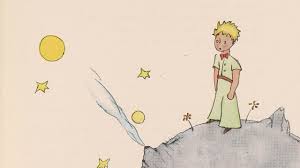
“It is such a mysterious place, the land of tears.”

Although Antoine de Saint-Exupery never considered himself a visual artist, who can help but fall in love with the earnest Little Prince? The spareness of Exupery’s watercolors perfectly express the underlying message of his simple yet profoundly wise moral tale. And although I agree with The Little Prince that “What is essential is invisible to the eye”, it is often through, not only our reading and uses of imagination, but through our contemplative gaze that the invisible is revealed to us, clear, in all its squalor and glory.

***

“Let The wild rumpus start!”

Maurice Sendak

Where the Wild Things Are

The Way of the Reader

photo-4

©donnaesgro

*

“The most precious gift we can offer anyone is our attention.”
Thich Nhat Hanh

We live in a distracting world, but we fool ourselves when we think that, by doing more than one thing at a time we are being efficient. To be mindful, fully present in the moments of our lives, sounds deceptively simple, but, especially in this electronic age, is a decided discipline.

Reading, because it slows one down and encourages uses of imagination and focus, can be a gentle bridge to serenity.

As more and more children abandon reading for electronics, neuroimaging research shows that excessive screen time damages the developing brain by creating structural and functional changes in the regions that control emotional processing and cognitive control.

Of particular concern are findings that show damage to areas of the brain that equate physical attributes, such as facial expressions and body language, with emotion. This kind of damage, combined with the rapidly growing trend to spend more time socializing online than face to face, are a cocktail that severely impacts healthy social emotional development.

Conversely, reading develops brain connectivity, particularly in the left temporal cortex, the area of the brain associated with language and in the the sensorimotor region, the region of the brain responsible for something called embodied cognition, the ability to empathize.

Studies show that daily reading also increases connections between the brain’s hemispheres.  These neural pathways aide in the growth of a multitude of complex cognitive functions.

Undoubtedly, reading makes you smart. But does it also make you wise?

When we read to our children we encourage them to be still in body and mind, to listen attentively, and to focus intently. We offer a refuge from the jangle of the modern world and give them our full attention in a joyful and quiet way.

Reading develops Theory of Mind (ToM), the ability to understand that others have needs, desires, thoughts, and feelings that may be different than one’s own. These early stirrings of compassion are the foundation on which tolerance is built.
Reading, by its very nature, takes us outside ourselves. We become emotionally and intellectually sympathetic to characters who often are quite unlike us. This creates, in the child, an attitude of acceptance in which he or she is not threatened by foreign ideas…the seeds of a peaceful world.

Like a spiritual practice, reading offers a time to reflect, to ask questions and to examine one’s own life. It helps to foster what Albert Einstein called “holy curiosity.”
It makes us receptive, open to new concepts that inspire wonder, creativity and clarity…Deep reading allows us a singular meditation even in the midst of chaos and confusion.

In an often dark world, books illuminate.
Statistics show that, after their schooling is completed, almost half of the population of the United States never reads a book again.

So, if you ever find your children reading under the covers with a flashlight, quietly close the door and let them stay up late, their growing minds and hearts filled with vivid imagery and emotion as they follow their own singular bumpy twisty  roads to enlightenment.

IMG_0332

Be Inspired

IMG_2108-3

©donnaesgro

*

“Sometimes you read a book and it fills you with this weird evangelical zeal, and you become convinced that the shattered world will never be put back together unless and until all living humans read the book.” John Green – The Fault in Our Stars

*

The first story I remember being read to me was Honey Bear, by Dixie Wilson. The cadence of my mother’s voice, the enchantment of the illustrations…I couldn’t get enough of this little book…its Belle Epoque watercolors and rhyming verses like the bells of fairies. It took me to a place I never knew existed, a wondrous place. I was inspired, in the true sense of the word, filled with the spirit of literature.

Yet the feelings this story aroused were not simply of joy, but also, like all epiphanies, laced with longing. I traced my fingers over the delicate illustrations…the glowing cottage in the dark woods…the garden blooming with anthropomorphic flowers. I yearned to be there, a part of this loving family in their rapturous world.

The next book that hit me like a thunderbolt was E.B.White’s Charlotte’s Web. I was seven and longed with all my heart to be Fern…raising a baby pig, sitting silent in the barn privy to the conversations of animals…brave and tender Fern, who stood up to her father to save a helpless runt…reckless Fern, swinging out from the high loft of the barn on an old rope…circumspect Fern, who deeply listened before she spoke.

As an awkward ungainly preteen, the intelligence and independence of Nancy Drew seemed out of reach. Yet, I collected, read and re-read the dozens of blue cloth covered editions…her ordinary world so extraordinary to me, the wide tree lined streets, the stately homes with their generous porches, her stalwart convictions, her steadfast fight for justice while speeding around jauntily in her roadster without a blonde hair out of place.

I abandoned Nancy when I discovered Jane. Austen’s heroines were women I could imagine myself becoming…snubbing high society’s mores while strolling through formal English gardens…exposing hypocrisy while dancing in gilded ceilinged ballrooms.

The spiritual journey that books set me on is a never ending one..sometimes an Autobahn, sometimes a labyrinth, but mostly a twisting path that splits into many side roads…from Anna Karenina to Chekov, Turgenev, and my first true love, Dostoevsky…from a short story by Guy de Maupassant to Flaubert, Victor Hugo, and Proust. Today the books on my nightstand spill into stacks on the floor.

“So many books, so little time.” Frank Zappa

Although it is important to allow a child in a library or bookstore free reign to explore, it is also a good idea for the parent to be aware, just as he or she is aware of what foods are nutritious for the body, what books develop a child’s mind in healthy ways. Publishing for children is, after all, a business, one which is heavily researched and marketed to be delivered in bright shiny packaging designed to lure your child. So be aware, there are books that exploit rather than respect the child. The next time you take your child to pick out books, be involved in the process, find stories you loved as a child and point them out. Don’t forget to get a book for yourself, too. Your example, by way of the value you place on reading, is truly inspirational.

Of course, great children’s literature doesn’t have to be fiction, wonderful nonfiction books such as those by Gail Gibbons, Charlotte Zolotow, and Tana Hoban broaden the child’s knowledge of their immediate environment and answer many of the child’s unasked questions about how the world works.

Below is a link with a list of some outstanding children’s books:

https://www.readingrockets.org/books-and-authors/booklists

*

Books provide escape and comfort, but they also introduce the eternal questions, Why am I here?, ponder good vs. evil, and inspire us to wonder. My daughter, in her devotion to one of literature’s greatest female role models, Dorothy in the Wizard of Oz, would not take off her ruby slippers for weeks, even to go to bed.

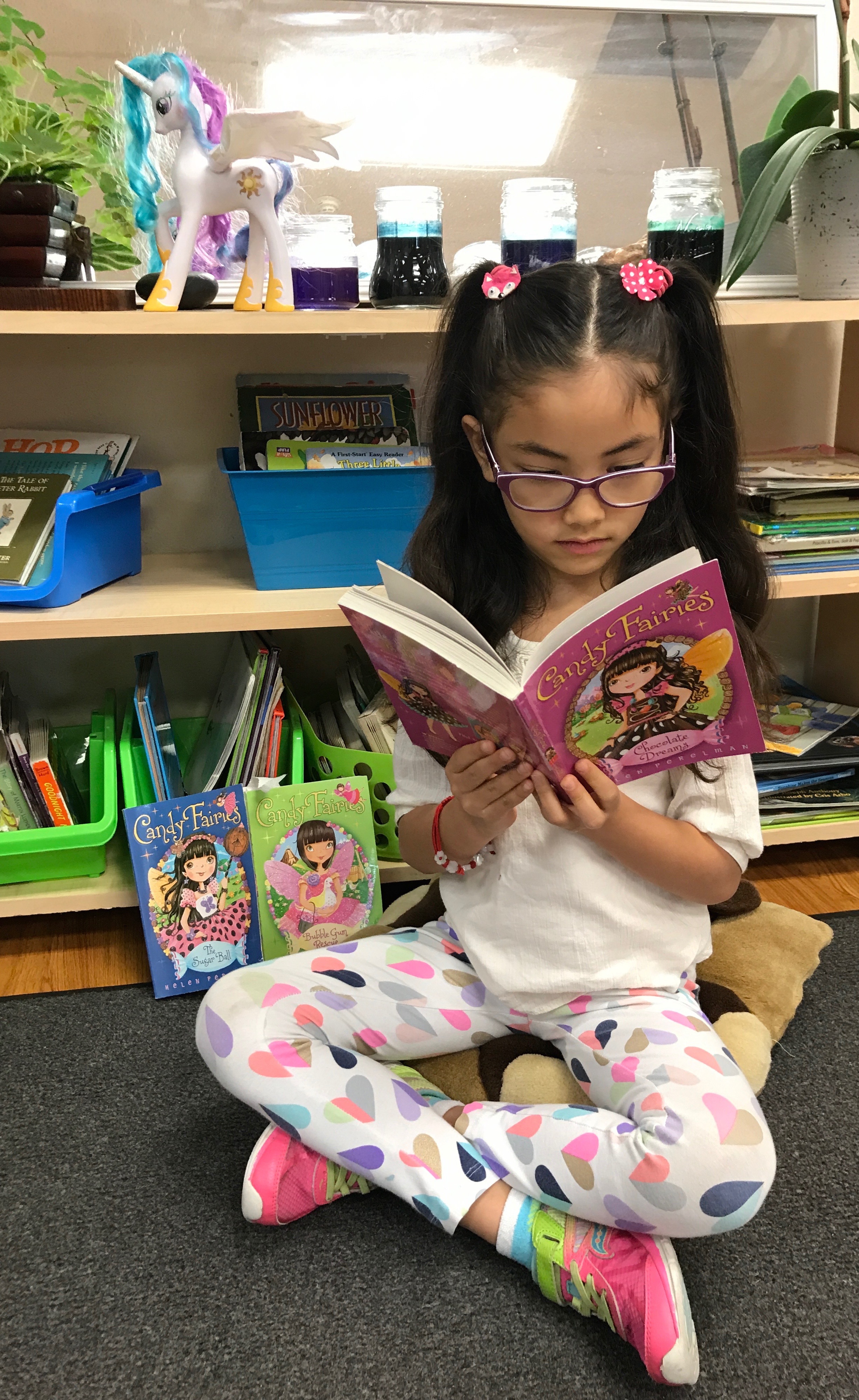
Whether you find your inspiration in Candy Fairies or Candide, whether you are reading from a rare first edition or a Kindle, books will always be a journey of egalitarian enlightenment. Follow your heart. The world today needs inspiration.

*

So please, oh please, we beg, we pray

Go throw your TV set away

And in its place you can install

A lovely bookshelf on the wall

Roald Dahl – Charlie and the Chocolate Factory

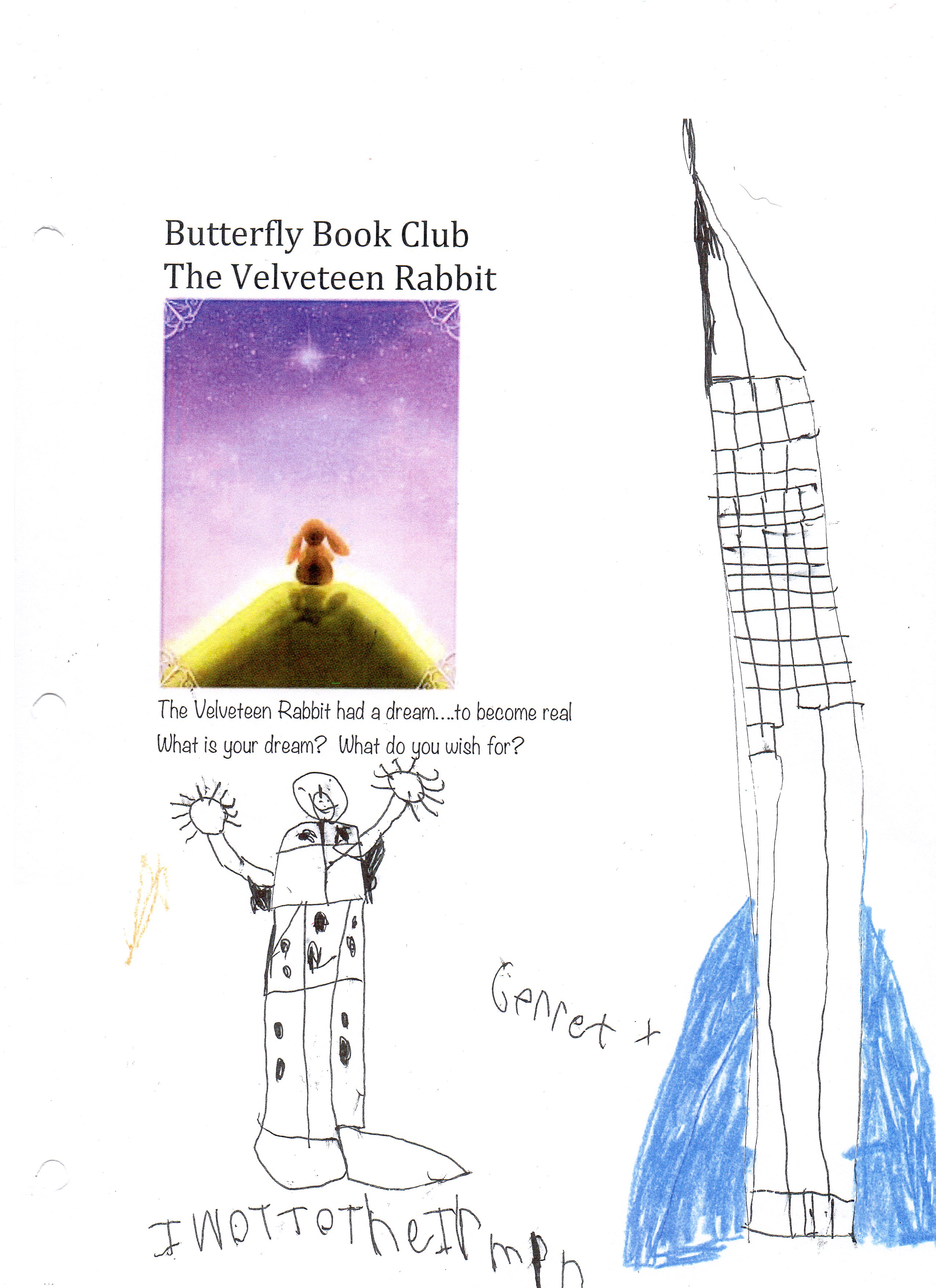
drawing001

***

What books have inspired you or your children? I’d love to hear from you.

Dr. Seuss – Zen Master

yin_yang-svg

“So please, when you step, step with care and great tact.

And Remember that Life’s a great balancing act.”

Oh! The Places You’ll Go!  –  Dr. Seuss

*

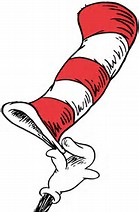
Read across American month began this week with celebrations all over the world of Dr. Seuss’ birthday. Dr. Seuss would be delightful to read even if his books were just pure fun. But, there is more than silliness under that tall striped hat.

In The Uses of Imagination, Bruno Bettelheim states that “The child intuitively comprehends that although fairy tales are unreal, they are not untrue.”

This is the nexus of the genius of Dr. Seuss – His ability to create whimsical characters with wild hair, gangly bodies, and furry feet that touch our heart with their humanity.

Dr. Seuss, born Theodore Seuss Geisel (1904), was an artist, an intellectual and a seeker of knowledge. His very first children’s book  And To Think That I Saw It On Mulberry Street (rejected twenty seven times by publishers) encourages using one’s imagination as a way to see the world in many different ways. He poses the question: What is reality?

But Mulberry Street didn’t sell well and his career as a children’s author seemed doomed when Life Magazine published an article in 1954 that exposed America’s children’s poor reading abilities. John Hersey (author of A Separate Peace) was quoted in the article as saying that children were illiterate because the primers in school were so boring and that authors like Dr. Seuss should be writing them.

Shortly after, Theo was approached by a major publishing house and asked to create a primer using 220 vocabulary words. The result , The Cat in the Hat, made him a household name. Fame brought lucrative offers by corporations eager to exploit his popularity. The ever unconventional Geisel turned down every proposal. Even when he was wooed with an unprecedented amount of money just to use a short unpublished verse on a Christmas billboard, Theo, showing unusual moral fortitude, refused, stating that he did not want to be associated with products for sale.

Then the Grinch thought of something he hadn’t before!

What if Christmas, he thought, doesn’t come from a store

What if Christmas…perhaps…means a little bit more!


And what happened then? Well…in Whoville they say,

That the Grinch’s small heart grew three sizes that day!

How The Grinch Stole Christmas – Dr. Seuss

Throughout his career as a children’s author, Dr. Seuss emphasized the importance of integrity, caring, tenderness, courage, and the interconnectivity of all creatures.

He held his head high and he threw out his chest

And he looked at the hunters as much as to say

“Shoot if you must but I won’t run away.”

I meant what I said and I said what I meant…

An elephant’s faithful One Hundred percent!

 Horton Hatches the Egg – Dr. Seuss

In The Sneetches he addresses the absurdity of prejudice, and in Oh! The Places You’ll Go! he gives us, in classic Seussesque style, both warning and encouragement:

You’ll come to a place where the streets are not marked. Some windows are lighted. But mostly there darked.

But Dr. Seuss reaches a lofty zenith in his darkly beautiful and profoundly environmentally aware treatise The Lorax, who “speaks for the trees.” The author’s brilliance lies in his ability to show us a believable glimpse of a tree’s soul – albeit one with a small orange furry body and a ridiculously large yellow moustache.

Teach your children to be on the look out for them.

 *


“When I let go of what I am I become what I might be. When I let go of what I have, I receive what I need.” Tao Te Ching


“If things start happening, don’t worry, don’t stew. Just go right along

and you’ll start happening, too.” Dr. Seuss


th

The Adaptation of Children’s Literature

©donnaesgro

“Words are a net to catch beauty.”

Tennessee Williams

*

Publishers who abridge, adapt, and condense children’s literature use the classics as a commodity. Although the expressed intention is to introduce these writings to a younger audience, this is not a enterprise done with love of prose in mind. These summarized novels are more like CliffNotes in terms of their inability to bring depth and understanding of the original works to children.

I was working with a fifth grader this holiday season and suggested that she read Charles Dickens’ A Christmas Carol. She pulled a paperback down from her shelf and told me, listlessly, that she had already read it.  I glanced at the book and saw that it was an abridged version.

A Christmas Carol is a novella, short in length, but opulent in sensual imagery and fervid emotions. Books, unlike films, do not need to fit into certain time frames which necessitate condensing. The only reason, then, to abridge the work is to “dumb it down” so that the young reader has less work to do to get through what often is fancifully arcane and luxurious language.

But, isn’t that one of the gifts of reading the classics? To allow words to transport us, to give us the sights, sounds, smells, textures, and tastes of exotic places and to teach us, through this process, that human needs, fears, passions, cruelties, jealousies, hypocrisies, insecurities, and reckless braveries have always and will always be a part of the elegant tapestry that makes us human.

By reading only the adapted version of A Christmas Carol, my young friend missed such stunning passages as:

“You are fettered,” said Scrooge, trembling, “Tell me why?”

“I wear the chain I forged in life,” replied the Ghost. “I made it link by link, and yard by yard; I girded it on of my own free will, and of my own free will I wore it.”

Instead reading:

“You are tied in chains, tell me why.” “I am a prisoner of the chain I made for myself during my life. I chose to wear it.”

I don’t blame any child for not being impressed with such insipid language. I suppose ”fettered” and “forged” are considered to be too archaic? The lyrical rhythm of the language, the repetitions that bring the readers’ attention to the importance of the ghost’s statement, have disappeared in the effort to be economical and simplistic with words.

Our children are more capable than they are often given credit for. A fifth grader should be able to read Charles Dickens without it being predigested for her.

Begin the process of introducing the sometimes odd, yet lovely language in classic children’s literature to your child when he is too young to read the originals himself. Resist the colorful Disney paperbacks of Winnie the Pooh or the Fairy Tales and instead read A.A. Milne and Hans Christian Andersen. Trust that your child will listen, and in this listening, not only become enchanted, but begin to build an understanding of the unique experience that reading can be.

A Christmas Carol was written almost 200 years ago, yet the story, because it is based on essential truths, is immortal. Don’t be a part of the wrong thinking that believes that the rewriting of the classics for easy consumption is a gentle introduction.

These works are a precious legacy from a passionate group of writers. Each carefully chosen word should be valued and respected.

Gustave Flaubert (1821-1880) said about his writing,

“I tried to discover, in the rumor of forests and waves, words that other men could not hear, and I pricked up my ears to listen to the revelation of their harmony.”

And Tennessee Williams (1911-1983) stated:

“Words are a net to catch beauty.”

Every word in a classic book, whether it be War and Peace or  The Little Prince, is vital. You might as well take the “excess notes” out of Mozart, Bach, or Vivaldi to make the melodies easier to follow.

We live in an age of sound bites and texts. It is healthy to balance this diet with something that demands an exacting focus. Better to read less dense classics such as as Charlotte’s Web or Charlie and The Chocolate Factory unabridged than to give your child an abridged version of Treasure Island, Peter Pan, or The Secret Garden.

Reading more difficult text builds both critical thinking (which stems from analyzing, predicting, and imagining) and self esteem (which builds as the child succeeds at tasks that at first seems arduous). When your child feels an eagerness to get back to the characters in a book and a vague sadness when the story has ended, that’s when you know that the bridge between learning to read and becoming a reader has been crossed.

If your child begins to read a classic and then discards it as being too hard, please help her manage, as you once held the back of her bicycle when she went from training wheels to two wheels. Read aloud to her. You may only need to read the first few chapters before she is pedaling on her own.

In the chaos that our modern life so often is, there is nothing more meditative than learning to turn to a book to remind you that although turmoil has always existed, so has abundant spiritual generosity and unbounded love.

***