Category Archives: Learning

The Lost Art of Nature Journaling

“Our society is much more interested in information than in wonder, in noise, rather than silence…And I feel that we need a lot more wonder and a lot more silence in our lives.” Mr. Fred Rogers

Nature Journaling, a popular pastime in the late 1800’s, has, like long walks, poetry, deep conversation, and, for children, playing outside from dawn to dusk, become a quaint thing of the past. Yet, nature journaling has a quiet power that is invaluable in our noisy world.

At the beginning of the Covid related lockdown while many people stayed inside with their computers, wildlife was returning to its long abandoned paths. Dolphins were seen playing in the Venice Canals of Italy, elephants wandered African freeways, and I, here in Southern California, watched a large mountain lion glide through my yard.

Nature Journaling needn’t be so dramatic. You don’t need to observe a hundred year old oak tree. A stalwart weed growing out of crack in a driveway can be as much a subject of wonder as any other.  Bees, crickets, ants, moths, snails, spiders, lizards, and dozens of birds busy themselves in their buzzing worlds, so mysterious to we humans. And yet, within all the mystery, do we not see ourselves in each and every living thing? Our bustling traffic, our structures, our language, our need for water, food, rest, and a flock of our own? The essential joy and truth revealed to us through the silent attention necessary to nature journaling is this…we are all intrinsically and beautifully connected. 

In the next few weeks try concentrating on becoming an observant naturalist. Pause and look at the world with respectful attention, all the while creating a journal that will be unique to you.

You will not need much…an inexpensive notebook to start. The best ones for nature journaling are spiral form so that the book can stay open in your lap or on the table. You want something that won’t be cumbersome to take with you on a walk. Find the size that you like, perhaps something that will fit in your everyday handbag. I work with 8 1/4” x 6 7/8” spiral books as a rule. A lined journal can work, if you tend to get wordy, but an unlined one is more traditional. Also put together a small pouch with a pencil or pen and several colored pencils, or watercolors.

Your journal will quickly become an extension of who you are. What is it, out of the proverbial “thousand things” that you observe? Why? In addition to your sketch, time, date, place, and weather, you may want to include a childhood memory, a poem that you love, even a dream, but all that a nature journal really needs is observations. So often people say that they can’t draw. Don’t let this concern you. My experience is that when you look at something carefully, you will surprise yourself at how well you draw. In the end, it is not about the photographic likeness, or the scientific name that the naturalists is after. It is about the reverence that comes upon you as your hand and heart connect when you try to draw the details of a spider web, a tiny flower, or a feather.

There is always something to observe when you begin to look with intention. And, when children see us journaling, they want to do it, too, guaranteed. Be ready with a notebook and box of crayons for them. For it is by modeling that we teach. It is by sitting quietly that we show our children, who, through no fault of their own, were born into an ever increasing fast paced technical world, how to appreciate the sun on their skin, the silhouette of a bird against a deep blue sky, and the soft grace of a butterfly.
In Support of Writing Your Own Spelling Words

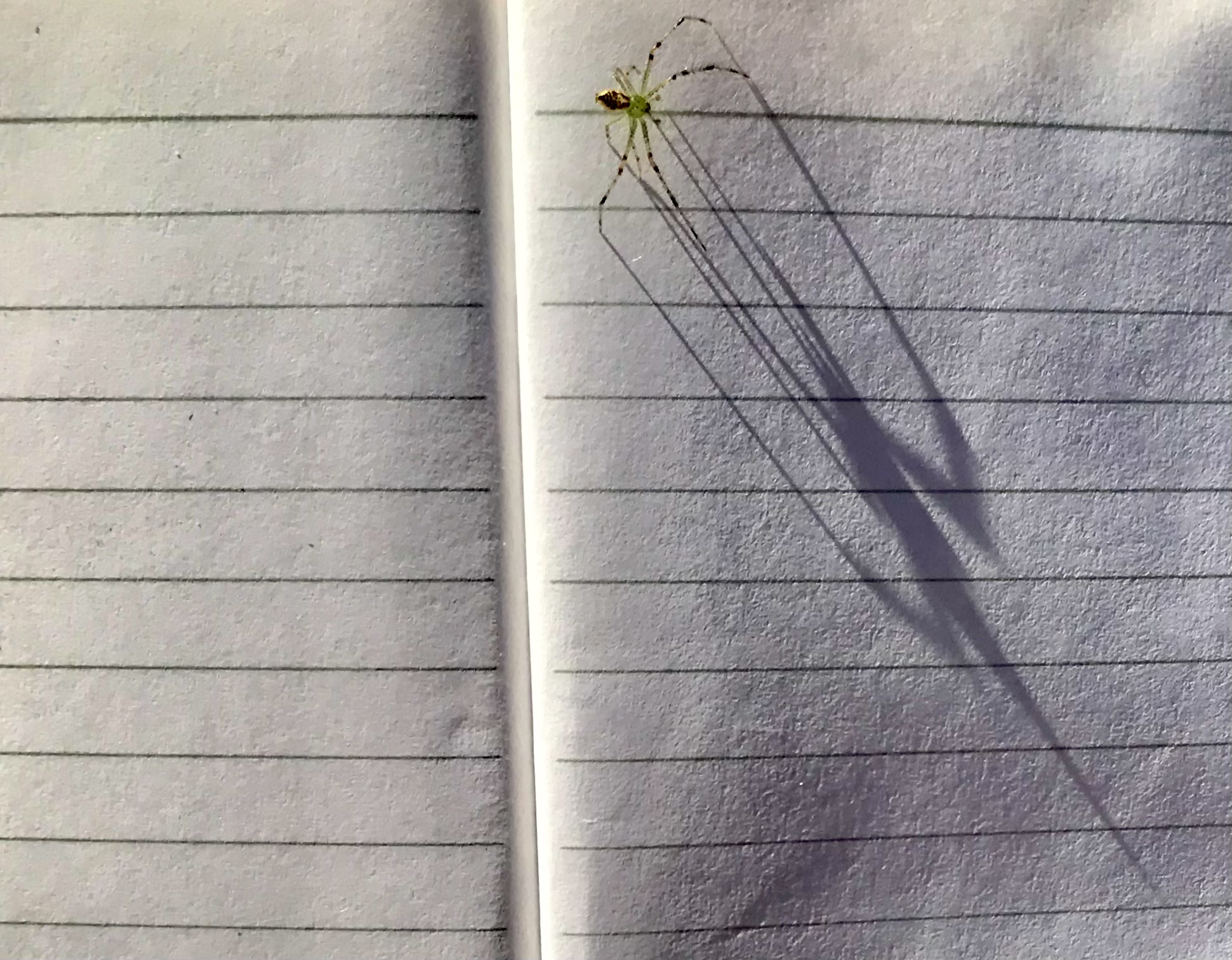
 “If they give you ruled paper, write the other way.” 

Spanish poet Juan Ramon Jimenez 1881-1958

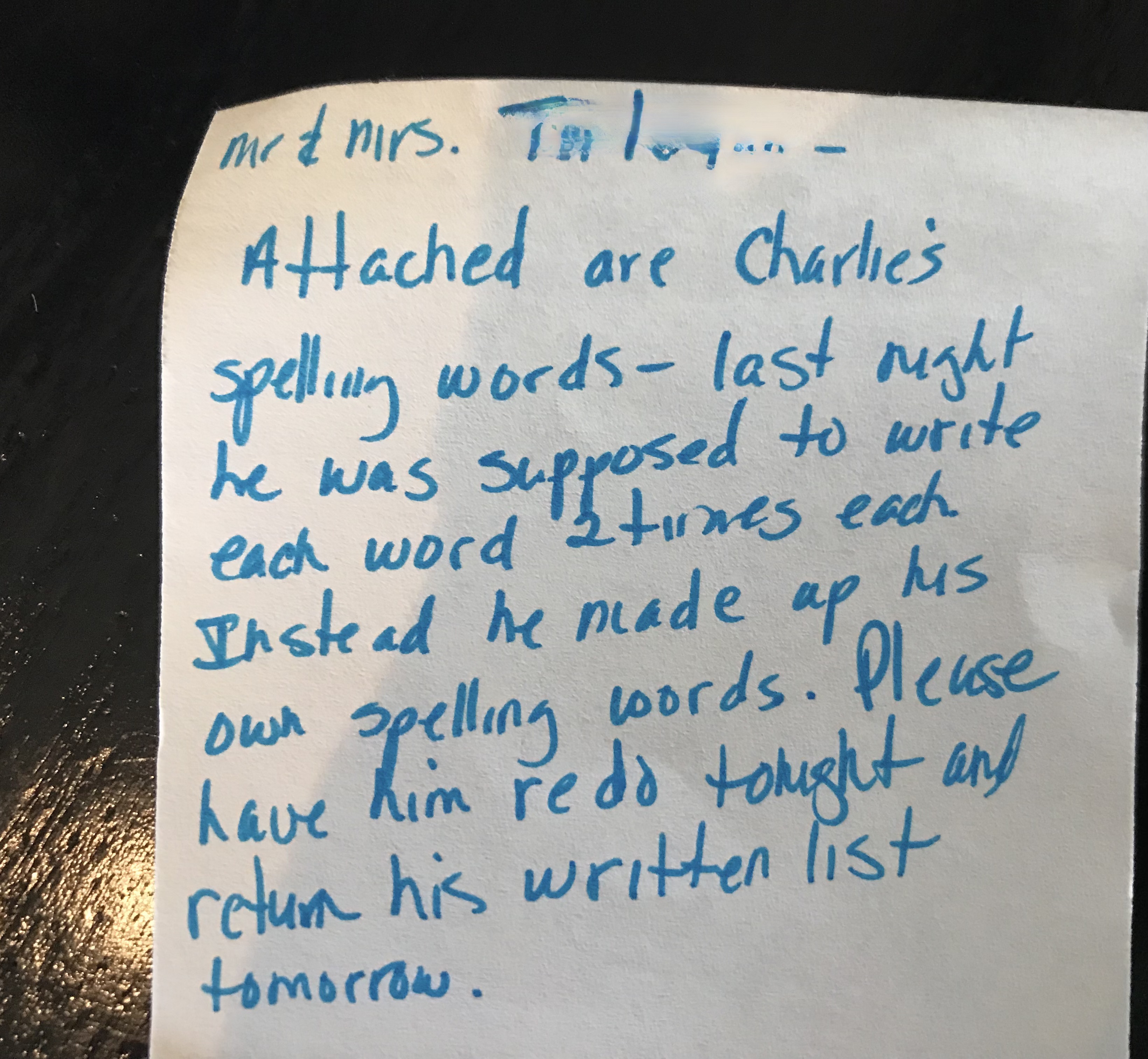
Sadly, our institutions of learning are often more rife with rules than with inspiring knowledge. The photograph below, (a teacher’s note found stuffed into the bottom of a Spiderman backpack along with a collection of old potato chips and small rocks) is an example of one student’s independent inventiveness in handling a homework assignment.

The world needs more Charlies. Those who ask why. Those who try it a different way. Perhaps, in the eyes of authority, it is not a better way, but how can you ever know if you are afraid to try? 

Schools have become brightly colored factories of fear rather than places of trust. Fear of bad grades, of tests, of not being smart enough, good enough, cool enough…not to mention the very real fear that many children suffer of being bullied. It is time to allow all students to grow in whatever rambling ways they will inside the halls of learning. Time to encourage the true seeds of knowledge – wonder, curiosity and the freedom to explore. Schools should not exist to clip wings, but to encourage flight. So, go ahead, make up your own words. And may they be wild and free enough to address an unknowable future.

Raising Children Who Care

©donnaesgro

Caring is an act of compassion. It is not simply an act of graciousness or generosity. It comes from deep inside the heart.

All children know the damage that a bully can inflict and they know the feeling of powerlessness when their friends turn and walk away, pretending not to see. How do we teach our children to turn towards, to see, and to act?

Showing your child how to be a caring, involved citizen, doesn’t mean that you have to lead a march or run for office. It is in the small everyday things that children learn. As parents and teachers we are the first role models. How do we treat others day to day? Do we show respect and concern for all beings? When we listen, share, and help, our children see who we are and imagine who they will be. They also see when we ignore, dismiss, or act selfishly.

Books, and the conversations they inspire, are great ways to instill compassion. When a child wants desperately for Dorothy to get back home and the evil witch to dissolve, the seeds of compassion and yearning for justice have been planted. Books can also take you to other places, teaching that there are many cultures and that each one is unique and special. Include books on the history of your own country, and of the world. These kinds of books will open your child’s mind and heart in ways that go far beyond what is literally on the page. 

The future is in our children’s small hands. And, as unknowable as it may be, one thing is certain, that the next generation will need courage and clarity of vision in a world that promises to be confusing and chaotic. They will need to know how to discern truth from lies and how to raise their voices against injustice of all kinds.

Long long ago a Native American chief was sitting by the fire with his grandson. “Tell me about the battles you have fought!” begged the little boy. His grandfather looked deep into the fire. “The most important battle I have fought is between the two wolves that are within us all.  One wolf is greedy, angry, arrogant, a liar and a hypocrite that thinks he is superior to all other wolves. The other wolf is gentle, full of hope, love, empathy, truth and kindness.” The boy became very quiet. He was listening for the two wolves inside him. “Which wolf is stronger?” he asked. “The one you feed,” replied his grandfather.

There is much in this world that needs heedfulness. The fate of our planet depends on it. Helping to solve these seemingly insurmountable problems will need critical thinking, of course, but equally as important, it will need hearts that truly care.

The Importance of Reading Stories to Your Child During the Pandemic

IMG_2798.JPG

©donnaesgro

*

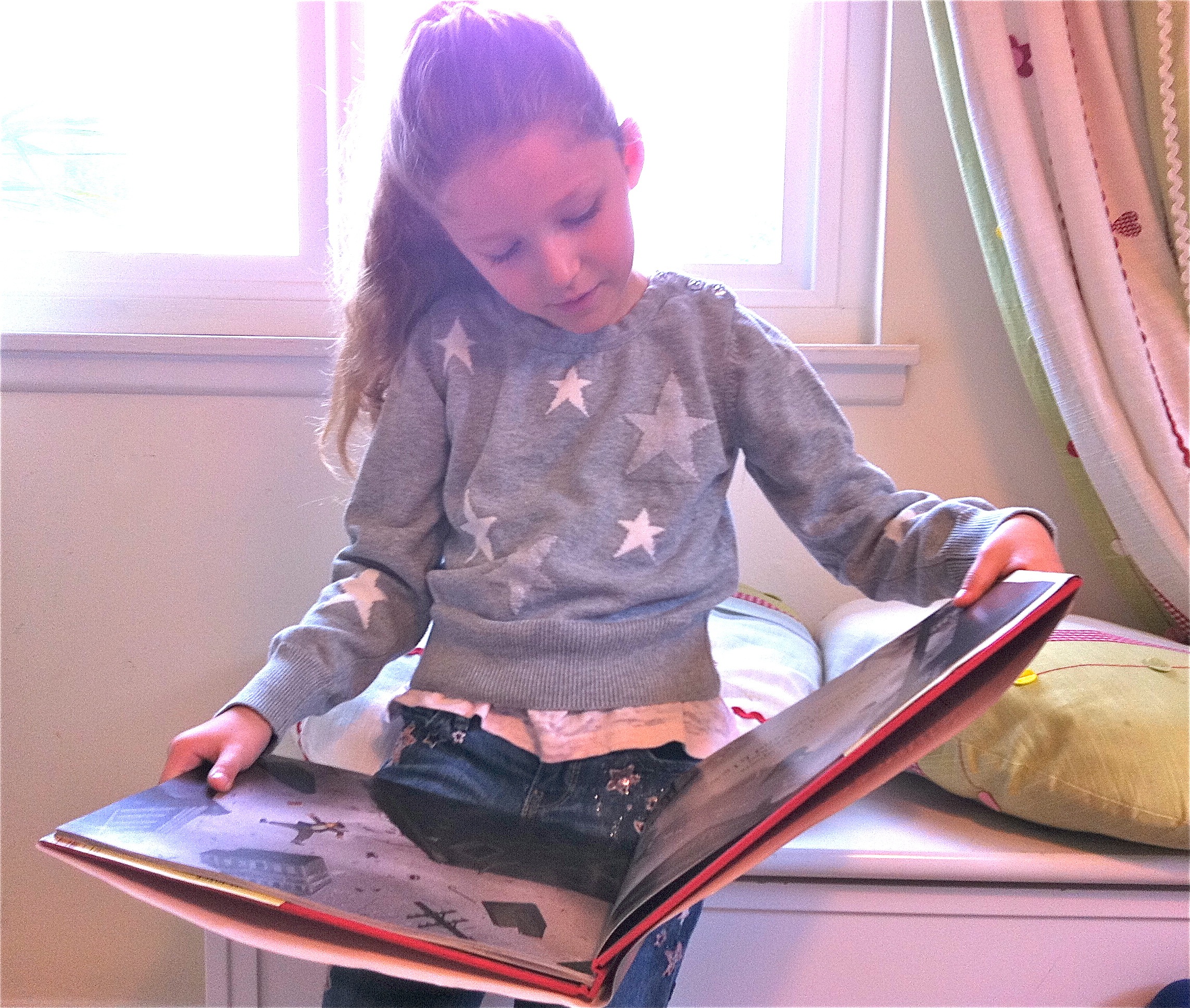
Reading, thoughtful reading, is more important than ever for children during this time of social distancing and on-line learning.

Deep reading is the giving up of oneself to a story, falling into the character’s lives, sharing their hopes, fears, successes, and failures. Whether the characters are wizards, orphans, bullies, hedgehogs, or heroes, we experience their trials as universal.

Early childhood experts and social scientists agree that reading fiction (from picture books to classic novels) helps build Theory of Mind. TOM is the ability to understand the desires, intents, and beliefs of another. To be able to identify with another is a key cognitive skill that begins developing early in life.

Humans, as the current state of distancing has brought into sharp focus, are social beings. Social beings who, for the sake of themselves and others, are living now in a state of modified distancing for the near distant future. But just because we are physically in a bubble, our minds, hearts, and souls do not have to be.

As the brain reads it becomes very active. It literally sparks! Neurobiologists have discovered that the same regions of the brain are stimulated by reading about something as they are by experiencing it.  While reading, hundreds of neural connections are made that include recognition, understanding, awareness, and acceptance of different points of view. New thoughts and feelings arise, as we read, that nurture our ability  not only to make important cognitive connections but to feel empathy.

Reading, because it has the power to shift perspective and encourage one to think outside normal bounds, has the power to change society. In this binary time, when there is an ever growing tendency to believe that one is on one side or another, reading opens minds and develops the art of listening.

As we are well aware, most of the healing needed in our society will not be solved by a new vaccine. By reading often to our children and, as they grow, encouraging them to read, we can, in our own homes, be part of a process of building the necessary compassion for all people that is vital to our future.

image

The Way of the Reader

photo-4

©donnaesgro

*

“The most precious gift we can offer anyone is our attention.”
Thich Nhat Hanh

We live in a distracting world, but we fool ourselves when we think that, by doing more than one thing at a time we are being efficient. To be mindful, fully present in the moments of our lives, sounds deceptively simple, but, especially in this electronic age, is a decided discipline.

Reading, because it slows one down and encourages uses of imagination and focus, can be a gentle bridge to serenity.

As more and more children abandon reading for electronics, neuroimaging research shows that excessive screen time damages the developing brain by creating structural and functional changes in the regions that control emotional processing and cognitive control.

Of particular concern are findings that show damage to areas of the brain that equate physical attributes, such as facial expressions and body language, with emotion. This kind of damage, combined with the rapidly growing trend to spend more time socializing online than face to face, are a cocktail that severely impacts healthy social emotional development.

Conversely, reading develops brain connectivity, particularly in the left temporal cortex, the area of the brain associated with language and in the the sensorimotor region, the region of the brain responsible for something called embodied cognition, the ability to empathize.

Studies show that daily reading also increases connections between the brain’s hemispheres.  These neural pathways aide in the growth of a multitude of complex cognitive functions.

Undoubtedly, reading makes you smart. But does it also make you wise?

When we read to our children we encourage them to be still in body and mind, to listen attentively, and to focus intently. We offer a refuge from the jangle of the modern world and give them our full attention in a joyful and quiet way.

Reading develops Theory of Mind (ToM), the ability to understand that others have needs, desires, thoughts, and feelings that may be different than one’s own. These early stirrings of compassion are the foundation on which tolerance is built.
Reading, by its very nature, takes us outside ourselves. We become emotionally and intellectually sympathetic to characters who often are quite unlike us. This creates, in the child, an attitude of acceptance in which he or she is not threatened by foreign ideas…the seeds of a peaceful world.

Like a spiritual practice, reading offers a time to reflect, to ask questions and to examine one’s own life. It helps to foster what Albert Einstein called “holy curiosity.”
It makes us receptive, open to new concepts that inspire wonder, creativity and clarity…Deep reading allows us a singular meditation even in the midst of chaos and confusion.

In an often dark world, books illuminate.
Statistics show that, after their schooling is completed, almost half of the population of the United States never reads a book again.

So, if you ever find your children reading under the covers with a flashlight, quietly close the door and let them stay up late, their growing minds and hearts filled with vivid imagery and emotion as they follow their own singular bumpy twisty  roads to enlightenment.

IMG_0332

Be Inspired

IMG_2108-3

©donnaesgro

*

“Sometimes you read a book and it fills you with this weird evangelical zeal, and you become convinced that the shattered world will never be put back together unless and until all living humans read the book.” John Green – The Fault in Our Stars

*

The first story I remember being read to me was Honey Bear, by Dixie Wilson. The cadence of my mother’s voice, the enchantment of the illustrations…I couldn’t get enough of this little book…its Belle Epoque watercolors and rhyming verses like the bells of fairies. It took me to a place I never knew existed, a wondrous place. I was inspired, in the true sense of the word, filled with the spirit of literature.

Yet the feelings this story aroused were not simply of joy, but also, like all epiphanies, laced with longing. I traced my fingers over the delicate illustrations…the glowing cottage in the dark woods…the garden blooming with anthropomorphic flowers. I yearned to be there, a part of this loving family in their rapturous world.

The next book that hit me like a thunderbolt was E.B.White’s Charlotte’s Web. I was seven and longed with all my heart to be Fern…raising a baby pig, sitting silent in the barn privy to the conversations of animals…brave and tender Fern, who stood up to her father to save a helpless runt…reckless Fern, swinging out from the high loft of the barn on an old rope…circumspect Fern, who deeply listened before she spoke.

As an awkward ungainly preteen, the intelligence and independence of Nancy Drew seemed out of reach. Yet, I collected, read and re-read the dozens of blue cloth covered editions…her ordinary world so extraordinary to me, the wide tree lined streets, the stately homes with their generous porches, her stalwart convictions, her steadfast fight for justice while speeding around jauntily in her roadster without a blonde hair out of place.

I abandoned Nancy when I discovered Jane. Austen’s heroines were women I could imagine myself becoming…snubbing high society’s mores while strolling through formal English gardens…exposing hypocrisy while dancing in gilded ceilinged ballrooms.

The spiritual journey that books set me on is a never ending one..sometimes an Autobahn, sometimes a labyrinth, but mostly a twisting path that splits into many side roads…from Anna Karenina to Chekov, Turgenev, and my first true love, Dostoevsky…from a short story by Guy de Maupassant to Flaubert, Victor Hugo, and Proust. Today the books on my nightstand spill into stacks on the floor.

“So many books, so little time.” Frank Zappa

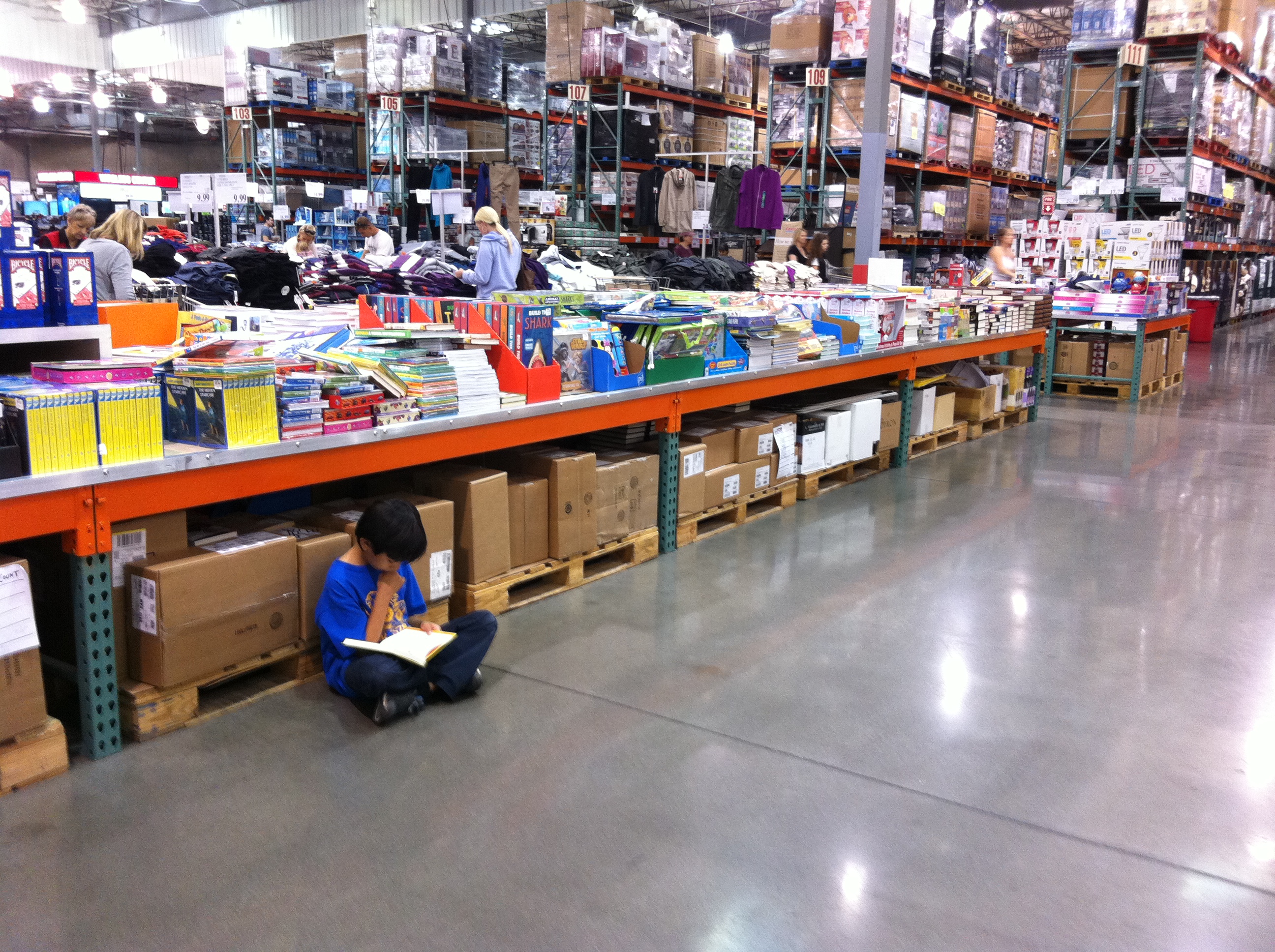
Although it is important to allow a child in a library or bookstore free reign to explore, it is also a good idea for the parent to be aware, just as he or she is aware of what foods are nutritious for the body, what books develop a child’s mind in healthy ways. Publishing for children is, after all, a business, one which is heavily researched and marketed to be delivered in bright shiny packaging designed to lure your child. So be aware, there are books that exploit rather than respect the child. The next time you take your child to pick out books, be involved in the process, find stories you loved as a child and point them out. Don’t forget to get a book for yourself, too. Your example, by way of the value you place on reading, is truly inspirational.

Of course, great children’s literature doesn’t have to be fiction, wonderful nonfiction books such as those by Gail Gibbons, Charlotte Zolotow, and Tana Hoban broaden the child’s knowledge of their immediate environment and answer many of the child’s unasked questions about how the world works.

Below is a link with a list of some outstanding children’s books:

https://www.readingrockets.org/books-and-authors/booklists

*

Books provide escape and comfort, but they also introduce the eternal questions, Why am I here?, ponder good vs. evil, and inspire us to wonder. My daughter, in her devotion to one of literature’s greatest female role models, Dorothy in the Wizard of Oz, would not take off her ruby slippers for weeks, even to go to bed.

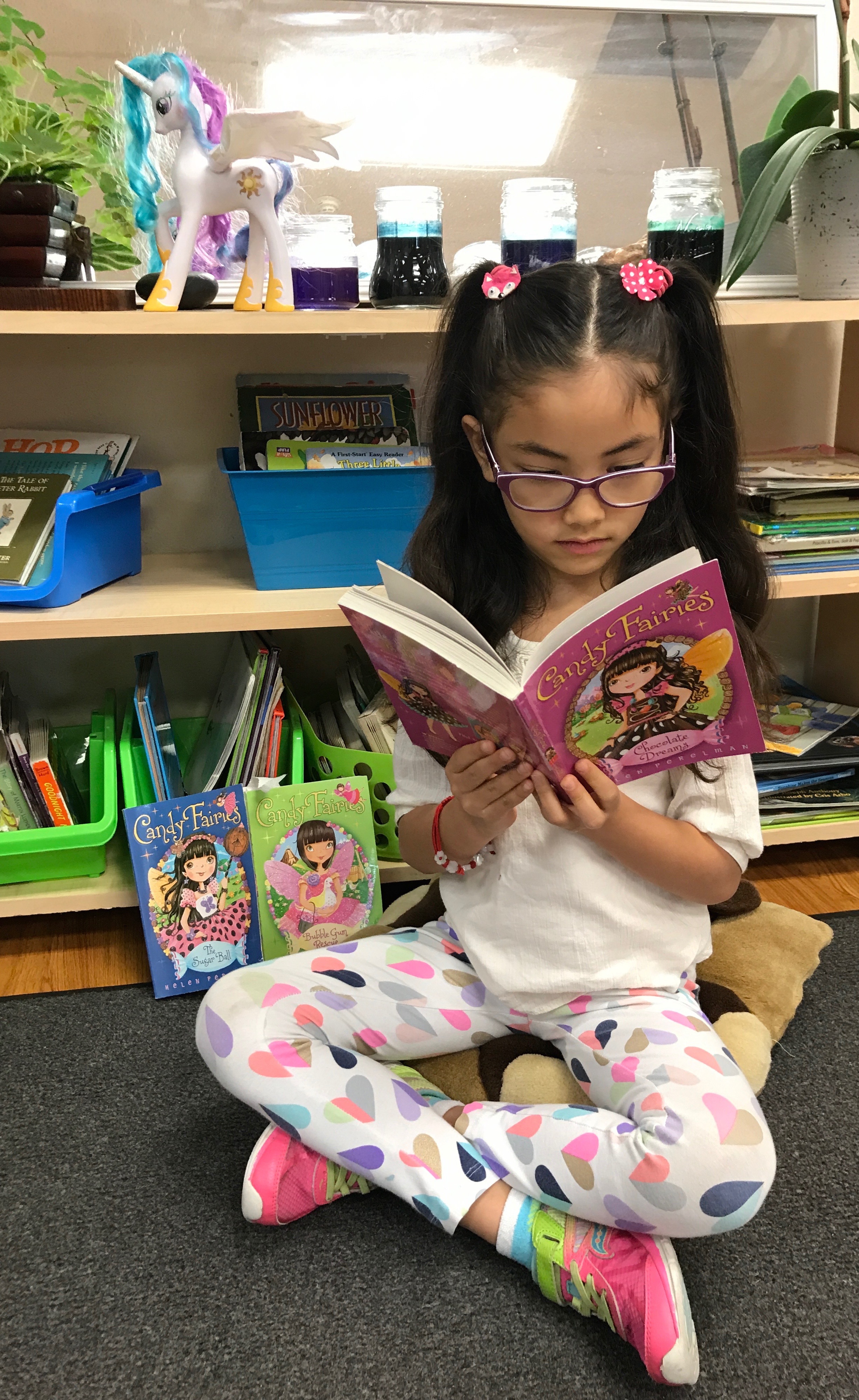
Whether you find your inspiration in Candy Fairies or Candide, whether you are reading from a rare first edition or a Kindle, books will always be a journey of egalitarian enlightenment. Follow your heart. The world today needs inspiration.

*

So please, oh please, we beg, we pray

Go throw your TV set away

And in its place you can install

A lovely bookshelf on the wall

Roald Dahl – Charlie and the Chocolate Factory

drawing001

***

What books have inspired you or your children? I’d love to hear from you.

Fight Like A Girl

“Bless the beasts and singing birds and  guard with tenderness small things that have no words.”  Anonymous

*

As a baby girl grows, she not only listens to her inner voice to determine who she is, but to all the voices with which her culture speaks to her. It is critical that those who love her help her to believe that she is strong, smart, and valued for her unique and singular identity.

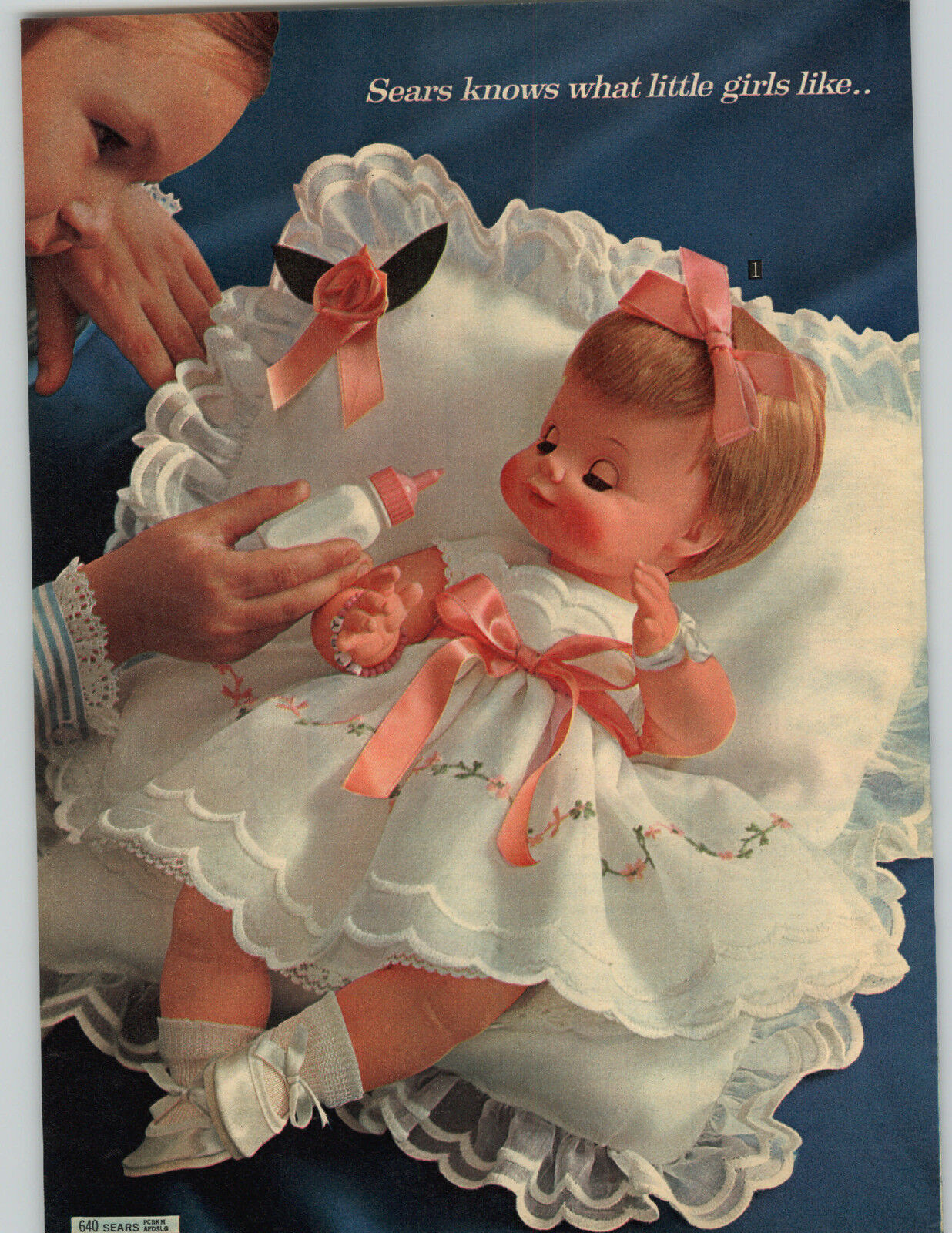
I recently stumbled on the Pee Wee Pumps website which sells infant safe high heels sized 0-6 months. Baby stiletto choices include Diva (black satin high heel crib shoes) , Sassy, Swanky, Glamorous, and Wild Child (leopard print).

I cannot imagine, when so many women around the world are fighting and dying for their rights, the right to control their own bodies, the right to be educated, the right to be treated with the same respect as the men in their society, and the right not to live in subordinate fear, why anyone would think it was cute to dress a baby girl up in faux high heels. Putting an infant in these ridiculous shoes is objectification at its lowest form, because it is perpetuated on an innocent before she has any cognitive association to the meaning, uses, and symbolism of the product.

A parent’s eyes are the child’s first mirror. When parents encourage their little girls to conform to stereotypes they help create at deep emotional and intellectual levels feelings that lower self-expectations and self-esteem. In The Second Sex, Simone de Beauvoir postulates that “sooner or later women will arrive at complete economic and social equality, which will bring about an inner metamorphosis.” It is respect for this fragile inner metamorphosis that is necessary in order to achieve independent, self-assured, and confident young girls.

No discussion about creating this kind of societal psychological shift is complete without mention of the stereotyping of boys. One does not exist without the other. It is just as harmful to tell a little boy that he is allowed to get angry and fight back, but it is not “manly” to cry, as it is to condone a little girl’s tears while telling her that girls don’t fight.

From Disney to Darkest Dungeons traditional gender stereotypes are constantly perpetuated in the media and in the marketing of “girl” and” boy” products.

Males are: Competitive, assertive, athletic, competent, strong, tough, aggressive, dominant, and stoic.

Females are: Emotional, romantic, sensitive, frail, passive, tentative, submissive, naïve, and seductive.

These roles, seen over and over as the child grows, normalize character traits based on gender and project unrealistic goals, from female body image to macho posturing. When someone speaks for us, we lose our voice. Boys are in danger of becoming emotionally isolated and girls lost in the never satiated need for approval.

How does a parent fight this cultural vortex and its strong emotional, social, and economic current? Believing in gender equality is all very well and good but we need to act on our beliefs in a conscious way. The most important way we teach our children is through modeling behaviors. Reject stereotypes as they arise and talk about it with your children. You will be surprised at how aware they are. Even two and three year olds will tell you that fuchsia is a girl color. Don’t just accept that. You don’t have to force your little boy to buy a fuchsia backpack, but you can ask your child why he thinks fuchsia is only for girls and point out all the amazing fuchsia colors in nature explaining that a color is just a color. Gently plant the seed and trust in your child’s innocent clarity. It is we that muddy this clarity with our pinks and blues.

Stereotyping is a kind of prejudice that leads to sexism in our personal and public lives. We are male and female, of course, and that is a wondrous thing. But, first, we are human beings born with a keen desire for pride and dignity and an innate need to dream and explore without limits.

©Lewis Hines

Dr. Seuss – Zen Master

yin_yang-svg

“So please, when you step, step with care and great tact.

And Remember that Life’s a great balancing act.”

Oh! The Places You’ll Go!  –  Dr. Seuss

*

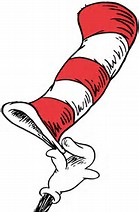
Read across American month began this week with celebrations all over the world of Dr. Seuss’ birthday. Dr. Seuss would be delightful to read even if his books were just pure fun. But, there is more than silliness under that tall striped hat.

In The Uses of Imagination, Bruno Bettelheim states that “The child intuitively comprehends that although fairy tales are unreal, they are not untrue.”

This is the nexus of the genius of Dr. Seuss – His ability to create whimsical characters with wild hair, gangly bodies, and furry feet that touch our heart with their humanity.

Dr. Seuss, born Theodore Seuss Geisel (1904), was an artist, an intellectual and a seeker of knowledge. His very first children’s book  And To Think That I Saw It On Mulberry Street (rejected twenty seven times by publishers) encourages using one’s imagination as a way to see the world in many different ways. He poses the question: What is reality?

But Mulberry Street didn’t sell well and his career as a children’s author seemed doomed when Life Magazine published an article in 1954 that exposed America’s children’s poor reading abilities. John Hersey (author of A Separate Peace) was quoted in the article as saying that children were illiterate because the primers in school were so boring and that authors like Dr. Seuss should be writing them.

Shortly after, Theo was approached by a major publishing house and asked to create a primer using 220 vocabulary words. The result , The Cat in the Hat, made him a household name. Fame brought lucrative offers by corporations eager to exploit his popularity. The ever unconventional Geisel turned down every proposal. Even when he was wooed with an unprecedented amount of money just to use a short unpublished verse on a Christmas billboard, Theo, showing unusual moral fortitude, refused, stating that he did not want to be associated with products for sale.

Then the Grinch thought of something he hadn’t before!

What if Christmas, he thought, doesn’t come from a store

What if Christmas…perhaps…means a little bit more!


And what happened then? Well…in Whoville they say,

That the Grinch’s small heart grew three sizes that day!

How The Grinch Stole Christmas – Dr. Seuss

Throughout his career as a children’s author, Dr. Seuss emphasized the importance of integrity, caring, tenderness, courage, and the interconnectivity of all creatures.

He held his head high and he threw out his chest

And he looked at the hunters as much as to say

“Shoot if you must but I won’t run away.”

I meant what I said and I said what I meant…

An elephant’s faithful One Hundred percent!

 Horton Hatches the Egg – Dr. Seuss

In The Sneetches he addresses the absurdity of prejudice, and in Oh! The Places You’ll Go! he gives us, in classic Seussesque style, both warning and encouragement:

You’ll come to a place where the streets are not marked. Some windows are lighted. But mostly there darked.

But Dr. Seuss reaches a lofty zenith in his darkly beautiful and profoundly environmentally aware treatise The Lorax, who “speaks for the trees.” The author’s brilliance lies in his ability to show us a believable glimpse of a tree’s soul – albeit one with a small orange furry body and a ridiculously large yellow moustache.

Teach your children to be on the look out for them.

 *


“When I let go of what I am I become what I might be. When I let go of what I have, I receive what I need.” Tao Te Ching


“If things start happening, don’t worry, don’t stew. Just go right along

and you’ll start happening, too.” Dr. Seuss


th

The Power of Poetry

IMG_8030

copyright©donnaesgro

*

Poetry is often looked upon as irrelevant, a part of another era, when people had more leisure time, less distractions; when conversation was an art, and life wasn’t so frenetic. Yet, it is well documented by linguists that children who have early exposure to poetic verse and the phonemic and syllabic sensitivity it brings, have an easier time recognizing individual sounds and learning to read.

Poetry is the heartbeat of literature. Begin a rhyme in a room full of children and watch what happens…a sudden attentive stillness. Even babies, who can’t yet understand the meaning of the words, are entranced by the patterns, repetitions, and rhythms:

I am Sam

Sam I am

That Sam-I-am That Sam-I-am!

I do not like that Sam-I-am

Do you like 
green eggs and ham?

I do not like them, Sam-I-am.

I do not like 
green eggs and ham.

Dr. Seuss – Green Eggs and Ham

Rhyme draws attention to the ending sounds of individual words – alliteration to the beginning. The musical language of poetry rings and reverberates, creating in the child a fundamental joy in literature.

But should the reading of poetry end with nursery rhymes? The emotions that poetry evokes are universal. As children grow older, the reading and writing of poetry can help them to cope with vulnerable truths that are too fragile to share in other ways…love, pain, death, transcendence…feelings not likely to be discussed on social media.

Reading aloud one’s own poetry creates a forum for individual expression that inspires confidence and pride. To communicate profound feelings and see that others share them is a transporting experience. In a school system that stresses the head – test taking, memorization, grades, and competition – poetry celebrates the heart. In this increasingly homogenized culture, poetry’s power lies in its originality-whether wild with rage as in Allen Ginsberg’s Howl, or soft with the tenderness of e.e.cummings’ somewhere i have never travelled, gladly beyond, poetry connects us intimately and immediately to our deepest feelings.

The language of poetry encourages inventiveness with words. Hope is “the thing with feathers” (Emily Dickenson). Eyes are “the window to the soul”(Shakespeare). Poetry conjures images that broaden and enlighten the mind. Metaphor and simile invite the reader to look at life in different ways, using unexpected correlations that inspire creative thinking:

The fog comes

on little cat feet

It sits looking

over harbor and city

on silent haunches

and then moves on

Carl Sandburg – Fog

From the rocking rhythm of early lullabies to the healing strength of dirges, the simple truths of poetry cross all cultures, all boundaries. Introduce poetry early to share the wonder of words with your child, but don’t lose track of how poetry’s elegant, eloquent elucidation can inspire us throughout our life

Literacy – How it Begins

IMG_6165

copyright©donnaesgro

*

“The invariable mark of wisdom is to see the miraculous in the common.”

― Ralph Waldo Emerson

Oral language is the foundation of literacy. Within a few short months an infant’s cries become babbles, then, suddenly, talking! Soon, the young child understands the meaning of thousands of words. The acquisition of language happens at a remarkable speed. Every time a child learns something new, it becomes a part of his knowledge base. Since words are simply articulations of concepts and feelings, it is evident that a child’s vocabulary should be measured not by how many words he knows, but by what he knows about each word.

The more ideas that the child is exposed to, the deeper her understanding of certain terms: A child whose favorite book is Goodnight Moon understands the conception of the moon in a more visceral way once she has seen a bright full moonrise, or watched the moon disappear behind a cloud lined with silver. Thereafter, whenever the book is read to her, these images flood her mind allowing a richer appreciation of both the word moon and the familiar bedtime story.

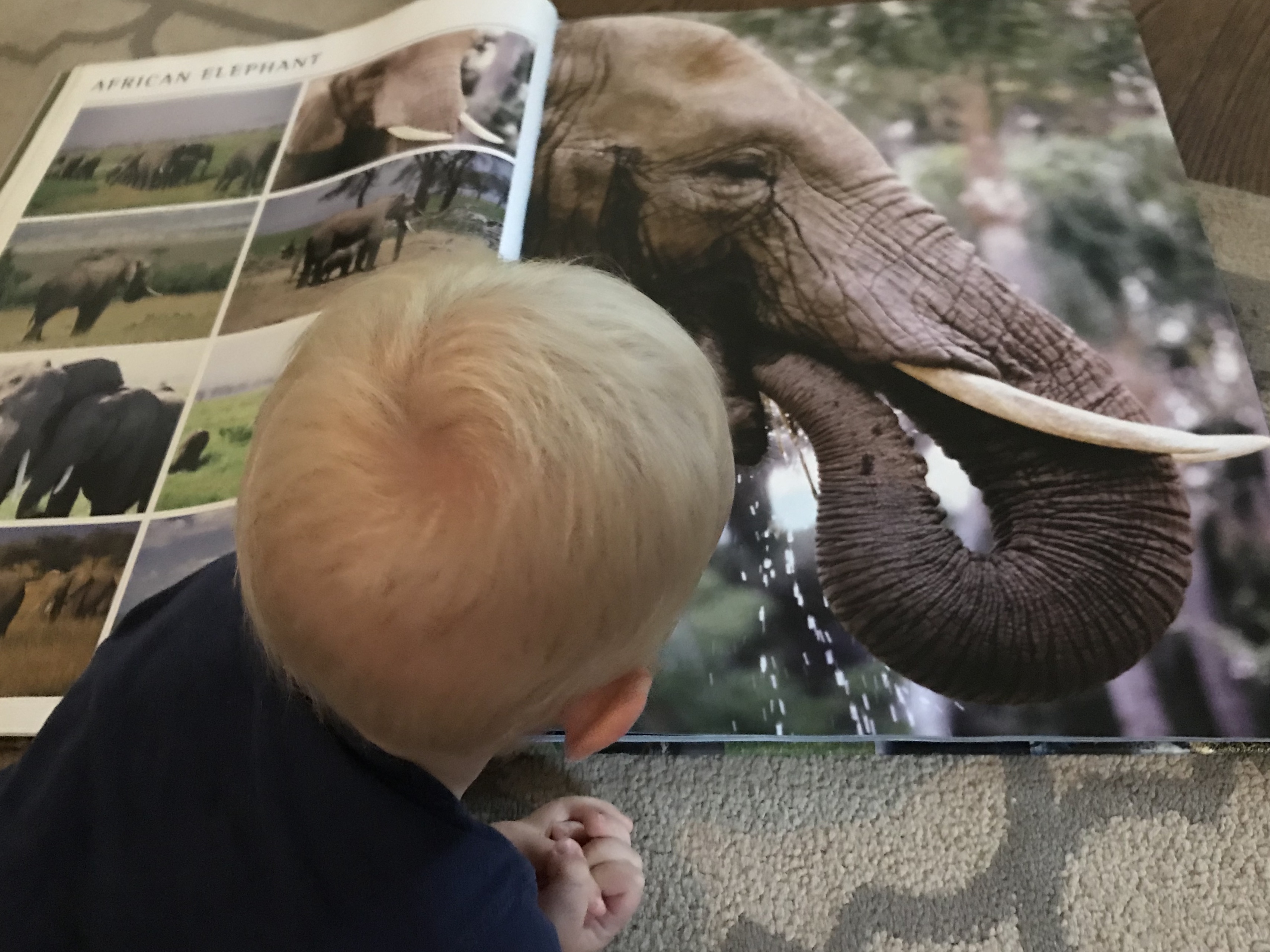
One of the most giving words in the English language is the word, “Look!” When you invite a child to look, you give him the gift of your time, attention, and awareness. You joyfully invite him to join in a shared experience and with this simple word illustrate how communication bonds us. “Look! A dragonfly!” Fills the child’s mind with dragons, butterflies, fairies… “Can it breathe fire?” I have been asked. These opportunities to enlarge your child’s perspective happen daily, and books are a wonderful way to extend this rapid accumulation of knowledge. While the opportunity to see a rainbow doesn’t happen everyday, books, both fiction and non-fiction, can share the beautiful imagery of a rainbow with your child, reinforcing such basics as color recognition, but more importantly, encouraging him to see the wonder and glory of the natural world…and to look for rainbows everywhere.

Children are born scientists – curious and eager to explore. Knowledge is not a mere collection of facts, it is alive, pulsing-a process of discovery. Books provide an access to worlds that we cannot, otherwise, enter. From the bioluminescent depths of the sea to the mystical outer edges of the known universe, books satisfy the need and the love for communication that begins with the infant’s first cries.